

As a supplier of Type 3 RO water systems, I've witnessed firsthand the hassles that users face due to common issues. These systems are crucial for various applications, from laboratories to industrial processes, but they're not immune to problems. In this blog, I'll delve into the typical problems that plague Type 3 RO water systems and offer insights on how to address them.
1. Membrane Fouling
One of the most prevalent issues with Type 3 RO water systems is membrane fouling. The RO membrane is the heart of the system, responsible for removing impurities from the water. However, over time, particles, minerals, and organic matter can accumulate on the membrane surface, reducing its efficiency.
Causes
- Suspended Solids: Particles such as sand, silt, and clay in the feed water can clog the membrane pores.
- Scaling: The precipitation of minerals like calcium carbonate, calcium sulfate, and silica on the membrane surface can form a hard scale.
- Biofouling: Bacteria, algae, and fungi can grow on the membrane, creating a biofilm that restricts water flow.
Effects
- Reduced Water Production: Fouling decreases the membrane's permeability, resulting in lower water production rates.
- Increased Energy Consumption: The system has to work harder to push water through the fouled membrane, leading to higher energy consumption.
- Poor Water Quality: As the membrane's performance deteriorates, the quality of the treated water may also decline.
Solutions
- Pre - Treatment: Implement effective pre - treatment methods such as filtration, sedimentation, and anti - scaling agents to remove particles and prevent scaling before the water reaches the RO membrane.
- Regular Cleaning: Clean the membrane at regular intervals using chemical cleaners designed for RO membranes.
- Monitoring: Continuously monitor the system's performance parameters such as water flow rate, pressure, and quality to detect fouling early.
2. Pressure Drop Issues
Another common problem is an abnormal pressure drop across the RO system. Pressure is essential for forcing water through the membrane, and any significant deviation can indicate a problem.
Causes
- Fouling: As mentioned earlier, membrane fouling can cause an increase in the pressure drop as water has a harder time passing through the membrane.
- Clogged Filters: Pre - filters and post - filters in the system can become clogged with debris, leading to an increase in the pressure drop.
- Leaky Pipes or Valves: A leak in the system can cause a decrease in pressure, which may result in an abnormal pressure drop across the RO module.
Effects
- Inefficient Operation: An incorrect pressure drop can affect the system's efficiency, leading to reduced water production and poor water quality.
- Component Damage: Over time, excessive pressure drop can damage the pumps, valves, and other components of the system.
Solutions
- Filter Replacement: Regularly replace pre - filters and post - filters to ensure proper water flow and prevent clogging.
- Leak Detection and Repair: Conduct regular inspections to detect and repair any leaks in the pipes and valves.
- Membrane Cleaning or Replacement: If the pressure drop is due to membrane fouling, clean or replace the membrane as needed.
3. Water Quality Degradation
Maintaining high - quality water output is the primary goal of a Type 3 RO water system. However, several factors can lead to a degradation of water quality.
Causes
- Membrane Degradation: The RO membrane can degrade over time due to factors such as chemical exposure, high temperatures, and physical damage.
- Inadequate Pre - Treatment: If the pre - treatment system fails to remove all the impurities in the feed water, they can pass through the RO membrane and contaminate the treated water.
- Bacterial Growth: In the absence of proper disinfection, bacteria can grow in the system and contaminate the water.
Effects
- Unusable Water: Poor - quality water may not meet the requirements of the intended application, rendering it unusable.
- Equipment Damage: Contaminated water can cause corrosion and damage to downstream equipment.
Solutions
- Membrane Replacement: Replace the RO membrane at the recommended intervals to ensure optimal performance.
- Improve Pre - Treatment: Upgrade the pre - treatment system to remove more impurities from the feed water.
- Disinfection: Implement a disinfection process such as UV sterilization or chemical disinfection to prevent bacterial growth.
4. Pump Problems
The pumps in a Type 3 RO water system are responsible for providing the necessary pressure to force water through the membrane. However, they can experience several problems.
Causes
- Wear and Tear: Continuous operation can cause the pump components to wear out over time.
- Cavitation: Cavitation occurs when the pressure in the pump drops below the vapor pressure of the water, causing the formation of vapor bubbles. When these bubbles collapse, they can damage the pump impeller.
- Lack of Lubrication: Insufficient lubrication can lead to increased friction and wear in the pump.
Effects
- Reduced Pressure: A faulty pump may not be able to provide the required pressure, resulting in reduced water production.
- Noisy Operation: Pump problems can cause excessive noise during operation.
- Pump Failure: Severe pump problems can lead to complete pump failure, halting the system's operation.
Solutions
- Regular Maintenance: Conduct regular maintenance on the pumps, including lubrication, inspection of components, and replacement of worn - out parts.
- Proper Sizing: Ensure that the pump is properly sized for the system's requirements to prevent cavitation.
- Monitoring: Continuously monitor the pump's performance, such as pressure, flow rate, and temperature, to detect problems early.
Our Product Offerings
At our company, we offer a range of high - quality Type 3 RO water systems to meet different customer needs. Our Basic-RO Series Reverse Osmosis Water System is an economical option suitable for small - scale applications. It provides reliable water purification with basic features.
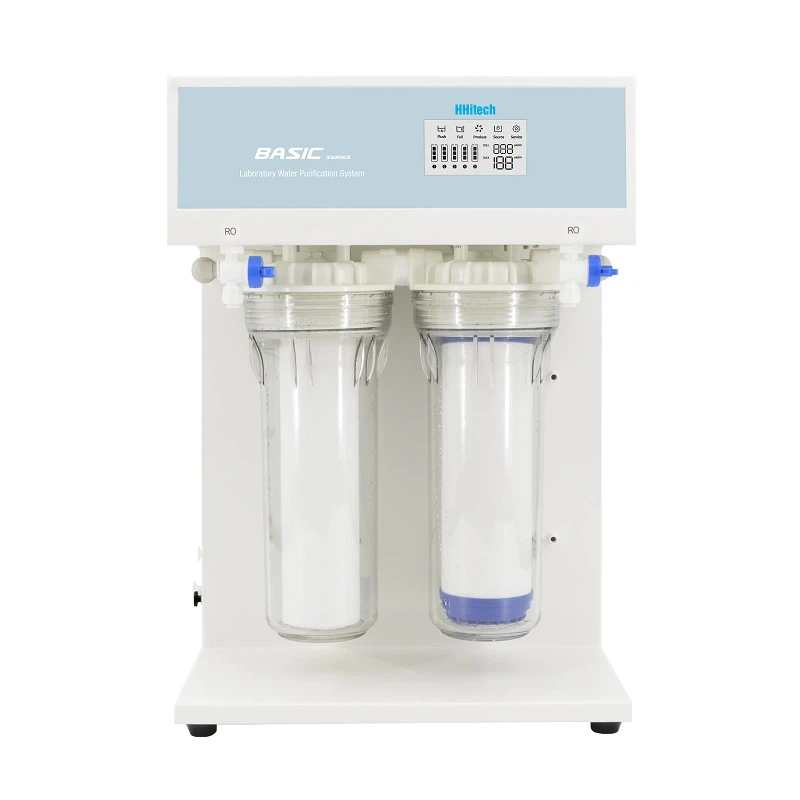

For medium - scale requirements, our Medium-RRO Series Reverse Osmosis Water System offers enhanced performance and durability. It comes with advanced pre - treatment and monitoring features to ensure consistent water quality.
If you're looking for a more intelligent and automated solution, our Smart-RO Series Reverse Osmosis Water System is the ideal choice. It is equipped with smart sensors and control systems that can optimize the system's operation and provide real - time monitoring data.
Contact Us for Procurement
If you're facing any of the problems mentioned above or are interested in upgrading your existing Type 3 RO water system, we're here to help. Our team of experts can provide customized solutions based on your specific requirements. Whether you need a new system or maintenance services, we have the expertise and resources to ensure your satisfaction. Don't hesitate to contact us to start a procurement discussion.
References
- Cheryan, M. (1998). Ultrafiltration and Microfiltration Handbook. Technomic Publishing.
- Richards, B. (2016). Water Treatment: Principles and Design. John Wiley & Sons.


