

Hey there! I'm a supplier of laboratory RO (Reverse Osmosis) plants, and I often get asked if a laboratory RO plant can be used in a textile laboratory. Well, let's dig into this topic and find out.
First off, let's understand what a laboratory RO plant does. RO is a water purification process that uses a semi - permeable membrane to remove ions, molecules, and larger particles from water. In a lab setting, a high - quality water supply is crucial for accurate and reliable experimental results.
In a textile laboratory, water is used for a variety of purposes. It's used in dyeing processes, where the quality of water can significantly affect the color fastness and shade of the dyed fabrics. Hard water, for example, contains minerals like calcium and magnesium, which can react with dyes and cause uneven coloring or even staining. A laboratory RO plant can effectively remove these minerals, providing soft water that ensures consistent and high - quality dyeing results.
Another area where water quality matters in a textile lab is in the testing of fabric properties. When testing the absorbency, shrinkage, or colorfastness of textiles, the water used should be as pure as possible to avoid any interference from impurities. A laboratory RO plant can produce water with a very low level of contaminants, which is ideal for these types of tests.
Now, let's talk about the specific RO systems we offer. We have the Medium - RRO Series Reverse Osmosis Water System. This system is designed for medium - sized laboratories with moderate water demands. It offers a high level of purification, removing up to 99% of dissolved solids, bacteria, and other contaminants. The system is also easy to operate and maintain, which is a big plus for busy textile labs.

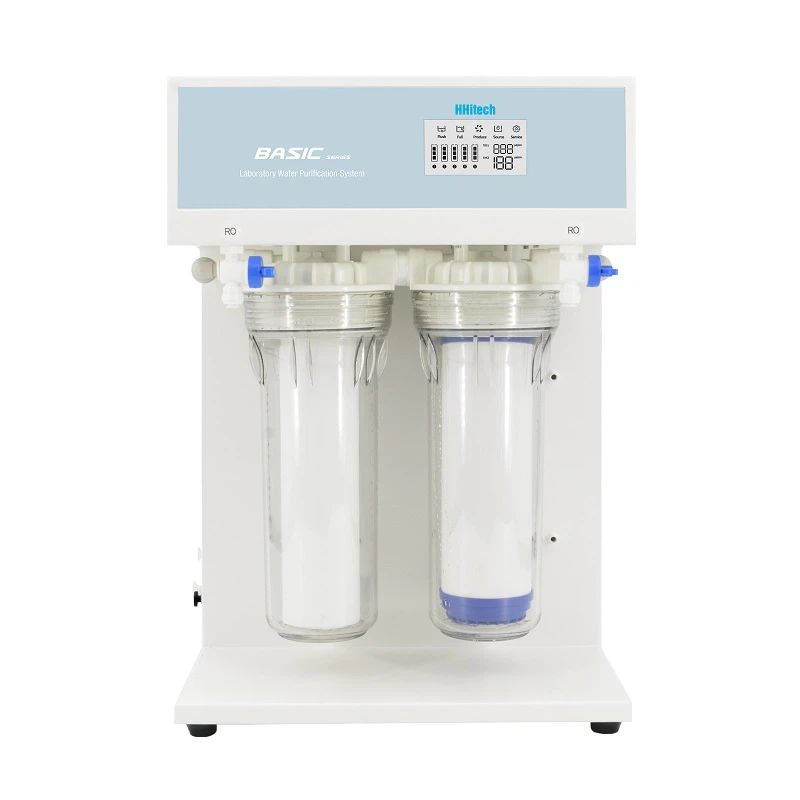
For smaller textile laboratories with lower water requirements, our Basic - RO Series Reverse Osmosis Water System is a great option. It's a cost - effective solution that still provides good quality purified water. It's compact in size, so it won't take up too much space in the lab.
If your textile laboratory has a higher water demand, our Medium - RO Series Reverse Osmosis Water System might be the right choice. This system can produce a larger volume of purified water per hour, ensuring that you have enough water for all your dyeing and testing processes.
One of the concerns some textile lab managers have is the energy consumption of RO plants. Our RO systems are designed with energy efficiency in mind. They use advanced membrane technology and optimized pump systems to minimize energy usage while still providing high - quality water. This means you can save on your energy bills without compromising on water quality.
Installation and after - sales service are also important factors. We have a team of experienced technicians who can install the RO system in your textile laboratory quickly and efficiently. And if you ever encounter any problems, our customer support team is always ready to help. We offer regular maintenance services to keep your RO system running smoothly and to extend its lifespan.
In addition to the technical benefits, using a laboratory RO plant in a textile laboratory can also have environmental advantages. By producing your own purified water on - site, you reduce the need to purchase bottled water or rely on other external water sources. This can help reduce plastic waste and your overall carbon footprint.
Let's also consider the long - term cost savings. While the initial investment in a laboratory RO plant might seem significant, in the long run, it can save you a lot of money. You'll no longer have to pay for the ongoing cost of purchasing high - quality water or dealing with the issues caused by poor - quality water, such as re - dyeing or inaccurate test results.
However, like any technology, there are some potential challenges. For example, RO membranes need to be replaced periodically to maintain the system's efficiency. But don't worry, we'll provide you with all the information and support you need to manage these maintenance tasks.
So, can a laboratory RO plant be used in a textile laboratory? The answer is a resounding yes! It offers numerous benefits in terms of water quality, experimental accuracy, cost savings, and environmental impact. Whether you have a small or large textile laboratory, we have an RO system that can meet your needs.
If you're interested in learning more about our laboratory RO plants or are ready to make a purchase, don't hesitate to reach out. We'd be more than happy to discuss your specific requirements and help you choose the right system for your textile laboratory. Our team is here to provide you with all the information and support you need to make an informed decision.
References
- Textile Dyeing Handbook: Principles, Processes, and Performance. This book provides in - depth knowledge about the dyeing process in textiles and the importance of water quality.
- Water Treatment for Industrial Processes. It offers insights into the different water treatment technologies, including reverse osmosis, and their applications in industrial settings.


