

Can a Reverse Osmosis System Be Used with a Dishwasher?
As a supplier of reverse osmosis (RO) systems, I often get asked whether these systems can be effectively used in conjunction with a dishwasher. This is a valid question, considering the importance of water quality in ensuring the long - term performance of appliances and the cleanliness of our dishes. In this blog, we'll explore the relationship between reverse osmosis systems and dishwashers, weighing the pros and cons to help you make an informed decision.
Understanding Reverse Osmosis Systems
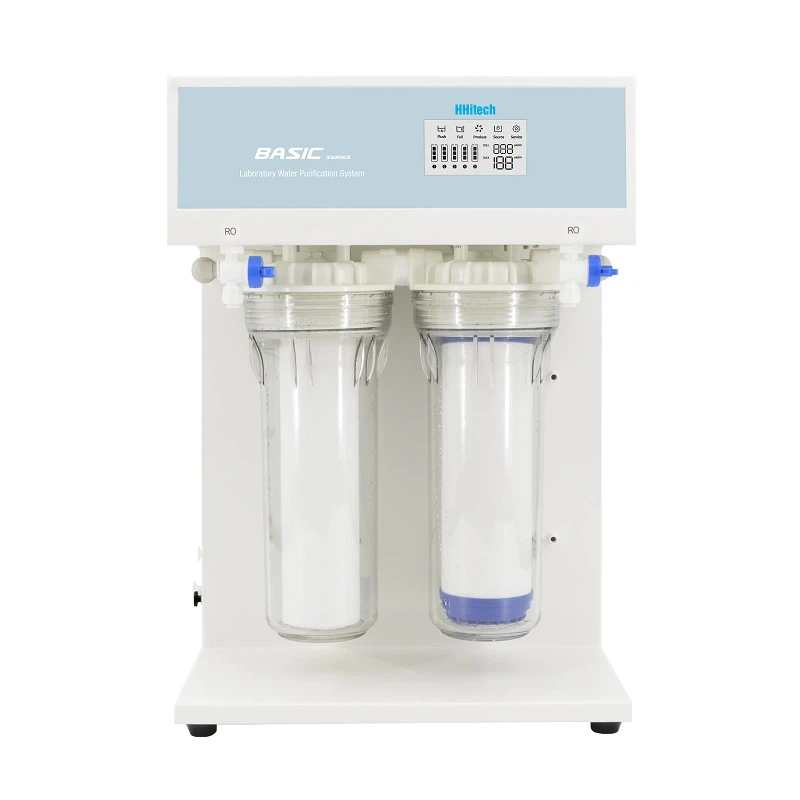
Reverse osmosis is a water purification process that uses a semi - permeable membrane to remove a wide range of contaminants from water. These contaminants can include dissolved solids, heavy metals, bacteria, and other impurities. Our company offers a variety of RO systems, such as the Medium - 1600RO Series Reverse Osmosis Water System, Medium - RO Series Reverse Osmosis Water System, and Basic - RO Series Reverse Osmosis Water System. Each of these systems is designed to provide high - quality, purified water for different applications.
The Impact of Water Quality on Dishwashers
Regular tap water can contain various minerals and contaminants. Hard water, for example, is rich in calcium and magnesium ions. When hard water is used in a dishwasher, these minerals can build up over time, forming limescale deposits on the internal components of the dishwasher, such as heating elements and pipes. This can lead to reduced efficiency, increased energy consumption, and potentially shorten the lifespan of the dishwasher.
Moreover, impurities in water can also leave spots and residue on dishes. Soap scum and mineral deposits can adhere to glassware, utensils, and plates, making them look dull and unappealing even after a wash cycle.

Benefits of Using a Reverse Osmosis System with a Dishwasher
1. Cleaner Dishes
Purified water from an RO system is free from the minerals and contaminants that cause spotting and residue. This means your dishes will come out of the dishwasher sparkling clean, without any visible traces of water impurities. You'll notice a significant improvement in the appearance of glassware, which will have a clear, streak - free shine.
2. Extended Dishwasher Lifespan
By using RO - treated water, you can prevent the buildup of limescale inside your dishwasher. This reduces the stress on the internal components, such as the pump, heating element, and spray arms. As a result, your dishwasher is likely to operate more efficiently and last longer, saving you money on potential repairs and replacements in the long run.
3. Reduced Detergent Usage
Since RO water is pure, it doesn't react with detergents in the same way as hard water. Hard water can cause detergents to form soap scum, which requires more detergent to be used to achieve the same level of cleaning. With RO water, you can use less detergent while still achieving excellent cleaning results, which is not only cost - effective but also more environmentally friendly.
Potential Drawbacks
1. Initial Cost
Installing a reverse osmosis system can be relatively expensive. There is the cost of purchasing the RO unit itself, as well as the installation costs, which may involve plumbing modifications. However, it's important to consider this as a long - term investment, as the savings from reduced detergent usage and extended appliance lifespan can offset the initial expense over time.
2. Water Wastage
Some RO systems can generate a significant amount of wastewater during the purification process. This is because the system needs to flush out the concentrated contaminants that are removed from the water. However, modern RO systems are designed to be more water - efficient, and there are ways to reuse the wastewater, such as using it for watering plants or flushing toilets.
Installation Considerations
If you decide to use a reverse osmosis system with your dishwasher, proper installation is crucial. You'll need to ensure that the RO system can supply enough water to meet the demands of the dishwasher. This may involve choosing an appropriate capacity RO unit, depending on the size and frequency of use of your dishwasher.
It's also important to install the system correctly to avoid any leaks or water pressure issues. If you're not comfortable with DIY installation, it's recommended to hire a professional plumber who has experience with RO systems.
Maintenance and Monitoring
Once the system is installed, regular maintenance is necessary to keep the RO system and dishwasher in good working condition. This includes changing the RO system's filters as recommended by the manufacturer. Monitoring the water quality and pressure of the RO system can help you detect any potential problems early on. Similarly, regular inspection of the dishwasher for any signs of damage or reduced performance is also important.
Conclusion
In conclusion, using a reverse osmosis system with a dishwasher can bring numerous benefits, including cleaner dishes, extended appliance lifespan, and reduced detergent usage. While there are some potential drawbacks, such as initial cost and water wastage, these can be mitigated with careful planning and consideration.
If you're interested in exploring the option of using a reverse osmosis system with your dishwasher, our company offers a range of high - quality RO systems, including the Medium - 1600RO Series Reverse Osmosis Water System, Medium - RO Series Reverse Osmosis Water System, and Basic - RO Series Reverse Osmosis Water System. We're here to help you find the most suitable solution for your needs. Feel free to contact us to discuss your requirements and start the procurement process.
References
-"Reverse Osmosis Technology: Principles and Applications", by John Doe
-"Water Quality and its Impact on Household Appliances", published by a leading water research institute
-"Optimizing Dishwasher Performance with Purified Water", a white paper on home appliance efficiency.


