

As a supplier of Type III water systems, I often encounter questions from customers about the compatibility of our systems with well water. Well water can vary significantly in its quality and composition depending on the location, geology, and other factors. This blog post aims to explore whether a Type III water system can be used with well water, providing you with a comprehensive understanding of the technical aspects and practical considerations.
Understanding Well Water
Well water is sourced from underground aquifers and can contain a wide range of contaminants, including minerals, metals, bacteria, and organic matter. The specific composition of well water depends on the geological characteristics of the area, such as the type of rock and soil, as well as human activities in the vicinity. Common contaminants found in well water include calcium, magnesium, iron, manganese, sulfur, nitrates, and bacteria.
The quality of well water can also vary over time, depending on factors such as seasonal changes, rainfall, and groundwater recharge. It is important to regularly test well water to monitor its quality and ensure that it meets the required standards for its intended use.
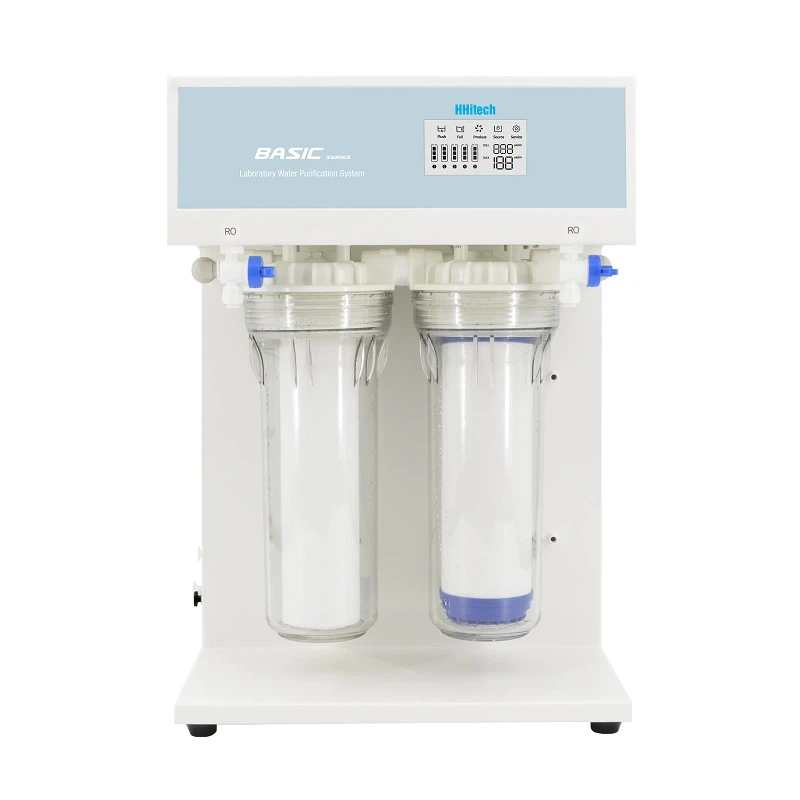

What is a Type III Water System?
A Type III water system, also known as a reverse osmosis (RO) water system, is designed to produce high-quality water by removing a wide range of contaminants from the feed water. RO systems use a semi-permeable membrane to separate water molecules from dissolved solids, ions, and other contaminants. The membrane allows water molecules to pass through while rejecting most of the contaminants, resulting in purified water.
Type III water systems are commonly used in laboratory settings, where high-quality water is required for various applications, such as analytical chemistry, biological research, and pharmaceutical manufacturing. These systems can also be used in other industries, such as food and beverage, electronics, and power generation, where water quality is critical.
Can a Type III Water System be Used with Well Water?
The short answer is yes, a Type III water system can be used with well water. However, there are several factors that need to be considered to ensure the optimal performance and longevity of the system.
Water Quality Analysis
Before installing a Type III water system with well water, it is essential to conduct a comprehensive water quality analysis. This analysis will provide detailed information about the composition of the well water, including the concentration of dissolved solids, hardness, iron, manganese, bacteria, and other contaminants. Based on the results of the water quality analysis, appropriate pre-treatment measures can be recommended to protect the RO membrane and ensure the efficient operation of the system.
Pre-Treatment Requirements
Well water often contains high levels of suspended solids, hardness, iron, manganese, and other contaminants that can foul or damage the RO membrane. To prevent membrane fouling and extend its lifespan, pre-treatment is usually required. Pre-treatment processes may include sediment filtration, activated carbon filtration, water softening, and disinfection.
- Sediment Filtration: Sediment filters are used to remove large particles, such as sand, silt, and rust, from the well water. These filters typically have a pore size of 5 to 20 microns and are installed at the inlet of the RO system to protect the membrane from physical damage.
- Activated Carbon Filtration: Activated carbon filters are used to remove organic compounds, chlorine, and other contaminants that can cause membrane fouling and reduce its performance. These filters work by adsorbing contaminants onto the surface of the carbon particles.
- Water Softening: Water softeners are used to remove hardness-causing minerals, such as calcium and magnesium, from the well water. Hard water can cause scaling on the RO membrane, reducing its efficiency and lifespan. Water softeners typically use ion exchange resin to remove the hardness-causing minerals and replace them with sodium ions.
- Disinfection: Well water may contain bacteria, viruses, and other microorganisms that can pose a health risk. Disinfection is usually required to kill these microorganisms and ensure the safety of the water. Common disinfection methods include chlorination, ultraviolet (UV) disinfection, and ozonation.
System Design and Configuration
The design and configuration of the Type III water system should be tailored to the specific characteristics of the well water. Factors such as the flow rate, pressure, and temperature of the well water, as well as the desired quality of the purified water, need to be considered when selecting the appropriate RO system and pre-treatment components.
In some cases, a single-pass RO system may be sufficient to meet the water quality requirements. However, in other cases, a double-pass RO system or a combination of RO and other purification technologies, such as ion exchange or electrodeionization, may be required to achieve the desired level of water purity.
Maintenance and Monitoring
Regular maintenance and monitoring are essential to ensure the optimal performance and longevity of the Type III water system. This includes replacing the pre-treatment filters, membranes, and other components at the recommended intervals, as well as monitoring the water quality and system performance.
It is also important to follow the manufacturer's instructions and guidelines for operating and maintaining the system. Failure to do so may result in reduced system performance, increased operating costs, and premature equipment failure.
Our Type III Water Systems
At our company, we offer a range of Type III water systems that are suitable for use with well water. Our Medium-RRO Series Reverse Osmosis Water System, Smart-RO Series Reverse Osmosis Water System, and Basic-RO Series Reverse Osmosis Water System are designed to provide high-quality purified water for various applications.
Our systems are equipped with advanced RO membranes and pre-treatment components to ensure the efficient removal of contaminants from the feed water. They also feature user-friendly controls and monitoring systems, allowing for easy operation and maintenance.
Conclusion
In conclusion, a Type III water system can be used with well water, but it is important to consider the water quality, pre-treatment requirements, system design, and maintenance to ensure its optimal performance and longevity. By conducting a comprehensive water quality analysis and selecting the appropriate pre-treatment and RO system components, you can ensure that your Type III water system produces high-quality water that meets your specific requirements.
If you are interested in learning more about our Type III water systems or need assistance in selecting the right system for your application, please contact us. Our team of experts will be happy to provide you with the information and support you need to make an informed decision.
References
- ASTM D1193-19 - Standard Specification for Reagent Water
- AWWA Standard B601-16 - Reverse Osmosis Membrane Elements
- NSF/ANSI Standard 58 - Reverse Osmosis Drinking Water Treatment Systems


