

As a supplier of Type 3 RO water systems, I've encountered numerous inquiries about the potential reuse of the wastewater generated by these systems. This topic is not only crucial for environmental sustainability but also holds significant economic implications for our customers. In this blog, I'll delve into the scientific aspects of Type 3 RO water system wastewater and explore whether it can be reused effectively.
Understanding Type 3 RO Water Systems
Before discussing the reuse of wastewater, it's essential to understand what a Type 3 RO water system is. These systems are designed to produce high - quality water for various applications, such as laboratory use, industrial processes, and even some domestic needs. Reverse osmosis (RO) is a water purification technology that uses a semi - permeable membrane to remove ions, molecules, and larger particles from water.
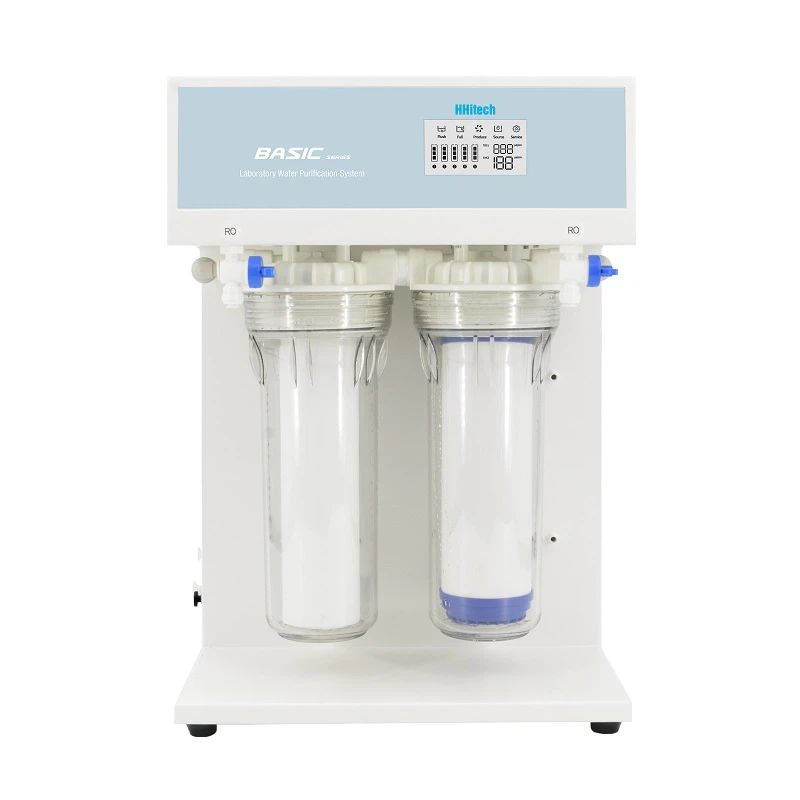
Our company offers a range of Type 3 RO water systems, including the Basic - RO Series Reverse Osmosis Water System, Medium - RRO Series Reverse Osmosis Water System, and Medium - 1600RO Series Reverse Osmosis Water System. These systems are engineered to meet different water volume and quality requirements, providing reliable and efficient water purification solutions.
How Type 3 RO Water Systems Generate Wastewater
During the reverse osmosis process, water is forced through a semi - permeable membrane under pressure. The membrane allows water molecules to pass through while rejecting dissolved solids, such as salts, minerals, and other contaminants. The purified water that passes through the membrane is called the permeate, which is the product water used for various applications. The remaining water, which contains a higher concentration of the rejected contaminants, is the wastewater, also known as the concentrate or brine.
The amount of wastewater generated by a Type 3 RO water system depends on several factors, including the quality of the feed water, the operating pressure, and the design of the RO system. Typically, for every gallon of purified water produced, a Type 3 RO system may generate 1 - 3 gallons of wastewater. This can result in a significant volume of wastewater, especially in large - scale applications.
Composition of Type 3 RO Wastewater
The composition of the wastewater from a Type 3 RO water system varies depending on the feed water source. Generally, it contains a higher concentration of dissolved solids, such as sodium, chloride, calcium, magnesium, and sulfate ions. It may also contain trace amounts of organic compounds, heavy metals, and microorganisms that were present in the feed water and were rejected by the RO membrane.
The high concentration of dissolved solids in the wastewater makes it unsuitable for direct reuse in many applications without further treatment. However, the specific composition of the wastewater can also present opportunities for reuse in certain scenarios.
Potential Reuse Options for Type 3 RO Wastewater
1. Irrigation
One of the most common potential reuse options for Type 3 RO wastewater is irrigation. In areas where water is scarce, using RO wastewater for irrigation can help conserve freshwater resources. However, the high salt content in the wastewater can be a concern for plants. Some salt - tolerant plants, such as certain varieties of grasses, shrubs, and trees, can tolerate the relatively high salt levels in RO wastewater.
Before using RO wastewater for irrigation, it's important to test the water quality and ensure that the salt concentration is within the tolerance range of the plants. Additionally, proper irrigation management practices, such as leaching and soil monitoring, should be implemented to prevent salt buildup in the soil over time.
2. Industrial Processes
Certain industrial processes can tolerate the relatively high salt content of RO wastewater. For example, in some cooling systems, the wastewater can be used as makeup water. The heat transfer properties of the water are not significantly affected by the dissolved solids, and the high salt content may even help prevent the growth of some microorganisms in the cooling system.
However, before using RO wastewater in industrial processes, it's necessary to evaluate the specific requirements of the process and ensure that the wastewater does not contain any contaminants that could cause corrosion, scaling, or other operational problems.
3. Toilet Flushing
In commercial and residential buildings, RO wastewater can be used for toilet flushing. This is a simple and effective way to reduce freshwater consumption. Since toilet flushing does not require high - quality water, the RO wastewater can be diverted directly to the toilet plumbing system with minimal additional treatment.
4. Water Treatment for Re - use in RO System
In some cases, the RO wastewater can be further treated and reused as feed water for the RO system itself. This can be achieved through processes such as ion exchange, nanofiltration, or evaporation. By reducing the volume of freshwater required as feed water, this approach can improve the overall water efficiency of the RO system.
Challenges in Reusing Type 3 RO Wastewater
While there are several potential reuse options for Type 3 RO wastewater, there are also some challenges that need to be addressed.
1. High Salt Content
As mentioned earlier, the high salt content in RO wastewater is a major obstacle to its reuse. The salt can cause problems such as soil salinization in irrigation, corrosion in industrial equipment, and scaling in pipes and plumbing systems. Additional treatment processes are often required to reduce the salt concentration to an acceptable level for reuse.
2. Contaminant Removal
In addition to salts, RO wastewater may contain other contaminants, such as heavy metals, organic compounds, and microorganisms. These contaminants need to be removed or reduced to safe levels before the water can be reused in certain applications. The treatment processes for removing these contaminants can be complex and expensive.
3. Regulatory Compliance
Reusing RO wastewater is subject to various regulations and standards, which vary depending on the application and the location. It's essential to ensure that the reuse of RO wastewater complies with all relevant local, state, and federal regulations. This may require obtaining permits, conducting regular water quality testing, and implementing appropriate treatment and monitoring measures.
Conclusion
In conclusion, the wastewater from a Type 3 RO water system can be reused in several applications, including irrigation, industrial processes, toilet flushing, and as feed water for the RO system itself. However, the high salt content and other contaminants in the wastewater pose significant challenges that need to be addressed through appropriate treatment and management.

As a supplier of Type 3 RO water systems, we are committed to helping our customers find sustainable solutions for water management. If you are interested in exploring the reuse of RO wastewater or have any questions about our Type 3 RO water systems, please don't hesitate to contact us for further discussion and potential procurement opportunities.
References
- "Reverse Osmosis Water Treatment: Principles and Applications" by Andrew E. Fane and W. Andrew P. van der Bruggen.
- "Water Reuse: An International Survey of Current Practice, Issues and Needs" by the World Health Organization.
- "Irrigation with Saline Water" by the Food and Agriculture Organization of the United Nations.


