

As a supplier of Type 3 RO water systems, I often encounter a common question from our customers: "Does a Type 3 RO water system need a pressure booster?" In this blog, I'll delve into this topic, exploring the factors that determine whether a pressure booster is necessary and how it can impact the performance of a Type 3 RO water system.
Understanding Type 3 RO Water Systems
Before we discuss the need for a pressure booster, let's first understand what a Type 3 RO water system is. Reverse osmosis (RO) is a water purification process that uses a semi - permeable membrane to remove ions, molecules, and larger particles from water. A Type 3 RO water system is designed to produce water with a relatively high level of purity, typically suitable for general laboratory applications, industrial processes, and some commercial uses.
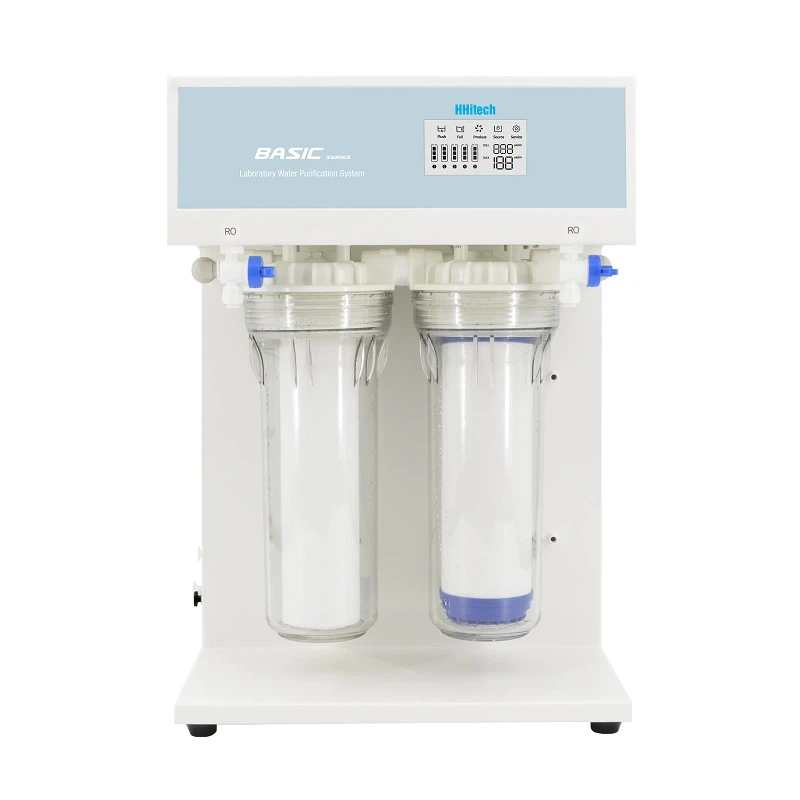
Our company offers a range of Type 3 RO water systems, including the Medium - 1600RO Series Reverse Osmosis Water System, Medium - RO Series Reverse Osmosis Water System, and Basic - RO Series Reverse Osmosis Water System. These systems are engineered to provide reliable and efficient water purification solutions based on the specific needs of our customers.
The Role of Pressure in RO Systems
Pressure is a crucial factor in the reverse osmosis process. The semi - permeable membrane in an RO system requires a certain amount of pressure to force water through the membrane and separate the contaminants. The pressure needed to overcome the osmotic pressure of the feed water and achieve an effective separation is typically in the range of 15 - 30 psi (pounds per square inch) for low - pressure membranes and 80 - 100 psi for high - pressure membranes.
If the feed water pressure is too low, the RO system may not be able to produce water at an acceptable rate or may not achieve the desired level of purification. On the other hand, if the pressure is too high, it can damage the membrane and other components of the system.
Factors Determining the Need for a Pressure Booster
Feed Water Pressure
The most obvious factor is the pressure of the incoming feed water. In some areas, the municipal water supply provides sufficient pressure to operate an RO system without a booster. However, in many cases, the feed water pressure may be lower than the optimal operating pressure of the RO system. For example, older buildings or areas with long water distribution lines may have reduced water pressure. If the feed water pressure is consistently below 40 - 50 psi, a pressure booster is likely to be necessary to ensure proper operation of the Type 3 RO water system.
System Capacity
The capacity of the RO system also plays a role in determining the need for a pressure booster. Larger capacity systems require more water to be forced through the membrane in a given time. As a result, they need higher pressure to maintain an adequate flow rate. If you have a high - capacity Type 3 RO water system, such as our Medium - 1600RO Series, and the feed water pressure is marginal, a pressure booster can significantly improve the system's performance.
Membrane Type
Different types of RO membranes have different pressure requirements. High - rejection membranes, which are designed to remove a higher percentage of contaminants, generally require higher operating pressures. If your Type 3 RO water system uses a high - rejection membrane, it may need a pressure booster to achieve the necessary pressure for optimal performance.
Benefits of Using a Pressure Booster
Improved Water Production
One of the primary benefits of using a pressure booster is an increase in water production. By increasing the feed water pressure, the RO system can force more water through the membrane, resulting in a higher flow rate of purified water. This is especially important for applications where a large volume of purified water is needed, such as in industrial processes or large - scale laboratory operations.
Enhanced Purification Efficiency
Higher pressure can also improve the purification efficiency of the RO system. When the pressure is increased, the membrane is better able to reject contaminants, resulting in a higher quality of purified water. This is crucial for applications that require a high level of water purity, such as in pharmaceutical manufacturing or high - end laboratory research.
Extended Membrane Life
Proper pressure control can help extend the life of the RO membrane. When the system operates at the optimal pressure, the membrane is less likely to experience fouling and damage. This reduces the frequency of membrane replacements and lowers the overall operating costs of the Type 3 RO water system.
Considerations When Installing a Pressure Booster
Compatibility
When selecting a pressure booster for your Type 3 RO water system, it's important to ensure that it is compatible with the system's components. The booster should be able to provide the appropriate pressure range without causing damage to the membrane or other parts of the system. Our technical support team can assist you in choosing the right pressure booster for your specific system.
Energy Consumption
Pressure boosters consume energy to operate. You need to consider the energy requirements and costs associated with the booster. Some modern pressure boosters are designed to be energy - efficient, which can help reduce the long - term operating costs.

Maintenance
Like any mechanical device, a pressure booster requires regular maintenance. This includes checking the pressure settings, inspecting the pump for any signs of wear, and replacing filters and seals as needed. Proper maintenance will ensure the reliable operation of the pressure booster and the overall performance of the Type 3 RO water system.
Conclusion
In conclusion, whether a Type 3 RO water system needs a pressure booster depends on several factors, including the feed water pressure, system capacity, and membrane type. In many cases, a pressure booster can provide significant benefits, such as improved water production, enhanced purification efficiency, and extended membrane life.
If you're unsure whether your Type 3 RO water system requires a pressure booster, our team of experts is here to help. We can assess your specific situation, recommend the most suitable solution, and provide you with all the necessary support for installation and maintenance.
If you're interested in purchasing a Type 3 RO water system or a pressure booster, or if you have any questions about our products, we encourage you to contact us for a detailed discussion. We're committed to providing you with the best water purification solutions tailored to your needs.
References
- Crittenden, J. C., Trussell, R. R., Hand, D. W., Howe, K. J., & Tchobanoglous, G. (2012). MWH's Water Treatment: Principles and Design. John Wiley & Sons.
- American Water Works Association. (2017). Reverse Osmosis and Nanofiltration. American Water Works Association.


