

Calibrating the sensors of a laboratory RO (Reverse Osmosis) plant is a crucial process that ensures the accurate measurement of various parameters and the efficient operation of the system. As a leading laboratory RO plant supplier, I understand the significance of proper sensor calibration and its impact on the quality of water purification. In this blog post, I will share some insights on how to calibrate the sensors of a laboratory RO plant effectively.
Understanding the Importance of Sensor Calibration
Before delving into the calibration process, it is essential to understand why sensor calibration is necessary. Sensors in a laboratory RO plant are responsible for monitoring critical parameters such as conductivity, pH, pressure, and temperature. These measurements are used to control the operation of the RO system, ensure the quality of the purified water, and detect any potential issues or malfunctions.
Over time, sensors can drift from their original calibration settings due to factors such as aging, environmental conditions, and chemical exposure. This drift can lead to inaccurate measurements, which can compromise the performance of the RO plant and the quality of the purified water. Regular calibration helps to maintain the accuracy of the sensors, ensuring reliable and consistent operation of the system.
Types of Sensors in a Laboratory RO Plant
A typical laboratory RO plant may have several types of sensors, each designed to measure a specific parameter. Some of the most common sensors found in a laboratory RO plant include:
- Conductivity Sensors: These sensors measure the electrical conductivity of the water, which is an indicator of the total dissolved solids (TDS) present in the water. Conductivity sensors are used to monitor the quality of the feed water, the permeate water, and the concentrate water in the RO system.
- pH Sensors: pH sensors measure the acidity or alkalinity of the water. Maintaining the proper pH level is important for the efficient operation of the RO membrane and the prevention of scaling and corrosion in the system.
- Pressure Sensors: Pressure sensors are used to monitor the pressure at various points in the RO system, including the feed pressure, the permeate pressure, and the concentrate pressure. Monitoring the pressure helps to ensure the proper operation of the RO pump and the integrity of the RO membrane.
- Temperature Sensors: Temperature sensors measure the temperature of the water in the RO system. Temperature can affect the performance of the RO membrane and the efficiency of the RO process. Monitoring the temperature helps to optimize the operation of the RO system and ensure the quality of the purified water.
Calibration Process for Conductivity Sensors
Conductivity sensors are one of the most critical sensors in a laboratory RO plant, as they provide a direct measurement of the TDS in the water. Here is a step-by-step guide on how to calibrate a conductivity sensor:
- Gather the necessary equipment: You will need a conductivity standard solution with a known conductivity value, a clean container for the standard solution, a calibration cable or adapter, and a multimeter or a conductivity meter with a calibration function.
- Prepare the standard solution: Follow the manufacturer's instructions to prepare the conductivity standard solution. Make sure the solution is at the same temperature as the water in the RO system.
- Disconnect the conductivity sensor from the RO system: Carefully disconnect the conductivity sensor from the RO system, taking note of the wiring connections.
- Immerse the sensor in the standard solution: Place the conductivity sensor in the container with the standard solution, making sure the sensor is fully immersed in the solution.
- Connect the calibration cable or adapter: Connect the calibration cable or adapter to the conductivity sensor and the multimeter or conductivity meter.
- Perform the calibration: Follow the instructions provided by the manufacturer of the multimeter or conductivity meter to perform the calibration. This may involve adjusting the calibration settings on the meter until the reading matches the known conductivity value of the standard solution.
- Verify the calibration: After performing the calibration, remove the sensor from the standard solution and rinse it thoroughly with deionized water. Then, immerse the sensor in a sample of the feed water or the permeate water from the RO system and check the reading on the multimeter or conductivity meter. The reading should be within the acceptable range for the water quality.
Calibration Process for pH Sensors
Calibrating a pH sensor is a similar process to calibrating a conductivity sensor, but it requires the use of pH buffer solutions instead of a conductivity standard solution. Here is a step-by-step guide on how to calibrate a pH sensor:
- Gather the necessary equipment: You will need at least two pH buffer solutions with known pH values (e.g., pH 4.01 and pH 7.00), a clean container for each buffer solution, a calibration cable or adapter, and a pH meter with a calibration function.
- Prepare the buffer solutions: Follow the manufacturer's instructions to prepare the pH buffer solutions. Make sure the solutions are at the same temperature as the water in the RO system.
- Disconnect the pH sensor from the RO system: Carefully disconnect the pH sensor from the RO system, taking note of the wiring connections.
- Immerse the sensor in the first buffer solution: Place the pH sensor in the container with the first buffer solution (e.g., pH 4.01), making sure the sensor is fully immersed in the solution.
- Connect the calibration cable or adapter: Connect the calibration cable or adapter to the pH sensor and the pH meter.
- Perform the first-point calibration: Follow the instructions provided by the manufacturer of the pH meter to perform the first-point calibration. This may involve adjusting the calibration settings on the meter until the reading matches the known pH value of the first buffer solution.
- Rinse the sensor: After performing the first-point calibration, remove the sensor from the first buffer solution and rinse it thoroughly with deionized water.
- Immerse the sensor in the second buffer solution: Place the pH sensor in the container with the second buffer solution (e.g., pH 7.00), making sure the sensor is fully immersed in the solution.
- Perform the second-point calibration: Follow the instructions provided by the manufacturer of the pH meter to perform the second-point calibration. This may involve adjusting the calibration settings on the meter until the reading matches the known pH value of the second buffer solution.
- Verify the calibration: After performing the calibration, remove the sensor from the second buffer solution and rinse it thoroughly with deionized water. Then, immerse the sensor in a sample of the feed water or the permeate water from the RO system and check the reading on the pH meter. The reading should be within the acceptable range for the water quality.
Calibration Process for Pressure Sensors
Calibrating a pressure sensor typically involves comparing the reading of the sensor to a known pressure value using a pressure gauge or a calibration device. Here is a step-by-step guide on how to calibrate a pressure sensor:
- Gather the necessary equipment: You will need a pressure gauge or a calibration device with a known pressure value, a calibration cable or adapter, and a pressure sensor tester or a multimeter with a pressure measurement function.
- Disconnect the pressure sensor from the RO system: Carefully disconnect the pressure sensor from the RO system, taking note of the wiring connections.
- Connect the pressure gauge or calibration device: Connect the pressure gauge or calibration device to the pressure sensor, making sure the connection is secure.
- Apply the known pressure: Apply the known pressure to the pressure sensor using the pressure gauge or calibration device. Make sure the pressure is stable and within the operating range of the sensor.
- Connect the calibration cable or adapter: Connect the calibration cable or adapter to the pressure sensor and the pressure sensor tester or multimeter.
- Perform the calibration: Follow the instructions provided by the manufacturer of the pressure sensor tester or multimeter to perform the calibration. This may involve adjusting the calibration settings on the tester or multimeter until the reading matches the known pressure value.
- Verify the calibration: After performing the calibration, remove the pressure gauge or calibration device from the pressure sensor and check the reading on the pressure sensor tester or multimeter. The reading should be within the acceptable range for the known pressure value.
Calibration Process for Temperature Sensors
Calibrating a temperature sensor typically involves comparing the reading of the sensor to a known temperature value using a thermometer or a temperature calibration device. Here is a step-by-step guide on how to calibrate a temperature sensor:
- Gather the necessary equipment: You will need a thermometer or a temperature calibration device with a known temperature value, a calibration cable or adapter, and a temperature sensor tester or a multimeter with a temperature measurement function.
- Disconnect the temperature sensor from the RO system: Carefully disconnect the temperature sensor from the RO system, taking note of the wiring connections.
- Immerse the temperature sensor in the calibration medium: Place the temperature sensor in a container filled with a calibration medium, such as water or a temperature-controlled bath, at the known temperature value. Make sure the sensor is fully immersed in the medium and that the medium is well-mixed.
- Connect the calibration cable or adapter: Connect the calibration cable or adapter to the temperature sensor and the temperature sensor tester or multimeter.
- Perform the calibration: Follow the instructions provided by the manufacturer of the temperature sensor tester or multimeter to perform the calibration. This may involve adjusting the calibration settings on the tester or multimeter until the reading matches the known temperature value.
- Verify the calibration: After performing the calibration, remove the temperature sensor from the calibration medium and check the reading on the temperature sensor tester or multimeter. The reading should be within the acceptable range for the known temperature value.
Frequency of Sensor Calibration
The frequency of sensor calibration depends on several factors, including the type of sensor, the operating conditions of the RO plant, and the manufacturer's recommendations. In general, it is recommended to calibrate the sensors in a laboratory RO plant at least once a year or more frequently if the sensors are exposed to harsh operating conditions or if there are any signs of drift or inaccuracy.
It is also important to calibrate the sensors whenever they are replaced or repaired, as this can affect the accuracy of the measurements. Additionally, if the RO plant is subjected to any significant changes in operating conditions, such as a change in the feed water quality or the operating temperature, it may be necessary to calibrate the sensors to ensure accurate measurement of the parameters.
Conclusion
Calibrating the sensors of a laboratory RO plant is an essential part of maintaining the accuracy and reliability of the system. By following the proper calibration procedures and performing regular calibration, you can ensure that the sensors in your laboratory RO plant provide accurate and consistent measurements, allowing for efficient operation of the system and high-quality purified water.

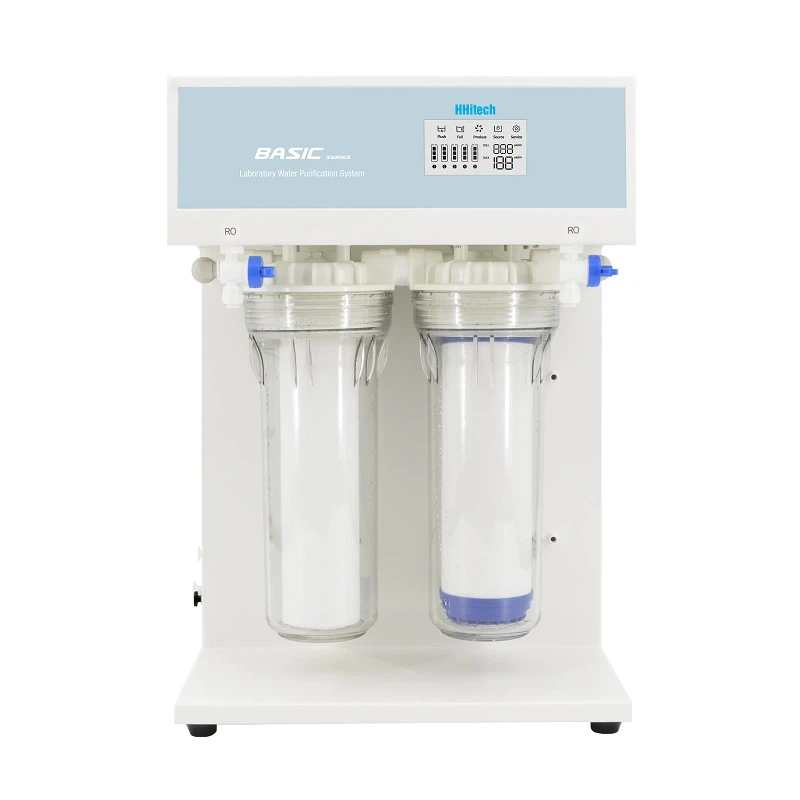
As a laboratory RO plant supplier, we offer a range of high-quality RO systems, including the Medium-RO Series Reverse Osmosis Water System, the Basic-RO Series Reverse Osmosis Water System, and the Medium-RRO Series Reverse Osmosis Water System. Our systems are equipped with advanced sensors and calibration features to ensure accurate and reliable operation.
If you are interested in learning more about our laboratory RO plants or have any questions about sensor calibration, please feel free to contact us. Our team of experts is available to provide you with the information and support you need to make an informed decision about your water purification needs.
References
- "Reverse Osmosis Water Treatment: Principles and Applications." Water Quality Association.
- "Sensor Calibration Guide." Instrumentation Tools.
- "Laboratory RO Plant Operation and Maintenance Manual." Manufacturer's Manual.


