

Microbial growth in a lab RO (Reverse Osmosis) water system can be a significant concern for laboratories. It can compromise the purity of the water, affect experimental results, and damage the equipment. As a trusted lab RO water system supplier, I understand the importance of preventing microbial growth and ensuring the optimal performance of your water purification system. In this blog post, I will share some effective strategies to prevent microbial growth in a lab RO water system.
Understanding the Risks of Microbial Growth
Microbes such as bacteria, fungi, and algae can thrive in the water environment of a lab RO system. They can enter the system through the feed water, air, or human contact. Once inside the system, they can multiply rapidly, especially in areas with low water flow, warm temperatures, and organic matter.
The presence of microbes in the RO water can have several negative impacts. Firstly, it can contaminate the water, introducing unwanted substances that may interfere with laboratory experiments. For example, bacteria can produce endotoxins, which can affect cell cultures and biological assays. Secondly, microbial growth can cause biofouling, which is the formation of a slimy layer on the surface of the RO membranes and other components. Biofouling can reduce the efficiency of the membrane, increase the pressure drop across the system, and eventually lead to membrane damage. Moreover, it can also cause corrosion of pipes and fittings, shortening the lifespan of the RO system.
Choose the Right RO Water System
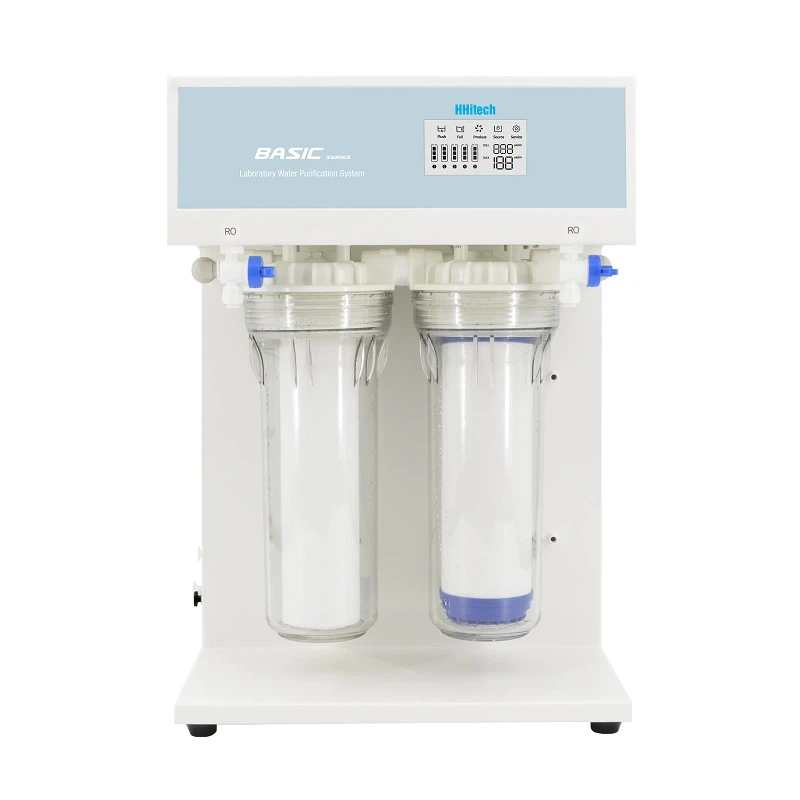
Selecting an appropriate lab RO water system is the first step in preventing microbial growth. Our company offers a range of high - quality RO water systems, including the Smart - RO Series Reverse Osmosis Water System, Medium - 1600RO Series Reverse Osmosis Water System, and Basic - RO Series Reverse Osmosis Water System. These systems are designed with advanced technology and high - quality materials to minimize the risk of microbial growth.
The Smart - RO Series, for instance, is equipped with intelligent monitoring and control features. It can continuously monitor the water quality parameters such as conductivity, pH, and temperature. If any abnormal values are detected, it can send an alarm to the user, allowing for timely intervention. The Medium - 1600RO Series is suitable for medium - sized laboratories and offers a high - capacity water production. The Basic - RO Series provides a cost - effective solution for small laboratories while still maintaining high - quality water purification.
When choosing an RO water system, consider the specific requirements of your laboratory, such as the required water quality, flow rate, and the types of experiments you conduct.

Install Pre - treatment Devices
Pre - treatment is an essential step in preventing microbial growth in a lab RO water system. It helps to remove suspended solids, organic matter, and other contaminants from the feed water before it enters the RO system. This reduces the load on the RO membranes and creates a less favorable environment for microbial growth.
One of the common pre - treatment devices is a sediment filter. It can remove large particles such as sand, dirt, and rust from the water. A carbon filter is also used to remove organic compounds, chlorine, and odor from the feed water. Chlorine can damage the RO membranes, and organic compounds can serve as a food source for microbes.
In addition, a water softener can be installed to remove hardness ions such as calcium and magnesium. Hard water can cause scaling on the RO membranes, which can provide a surface for microbial attachment and growth. By installing these pre - treatment devices, you can significantly improve the quality of the feed water and reduce the risk of microbial contamination in the RO system.
Maintain Proper System Hygiene
Regular cleaning and disinfection of the RO water system are crucial for preventing microbial growth. Here are some key points to keep in mind:
- Flush the System Regularly: Flushing the RO system helps to remove any stagnant water and accumulated contaminants. It is recommended to flush the system at the beginning and end of each day of use. For long - term shutdowns, a more thorough flushing procedure should be followed.
- Disinfect the System Periodically: Use appropriate disinfectants to kill the microbes in the system. Commonly used disinfectants include hydrogen peroxide, peracetic acid, and sodium hypochlorite. However, it is important to follow the manufacturer's instructions when using disinfectants, as improper use can damage the RO membranes. For example, some disinfectants need to be properly diluted and the contact time with the membranes should be strictly controlled.
- Clean the Storage Tanks: Storage tanks are often a breeding ground for microbes if not properly maintained. Clean the tanks regularly, removing any sediment, slime, or biofilm. Inspect the tanks for any signs of damage or leaks, as these can also contribute to microbial growth.
Monitor Water Quality Continuously
Continuous monitoring of water quality is essential to detect any early signs of microbial growth. There are several parameters that can be monitored:
- Microbial Count: Regularly test the water for the presence of bacteria, fungi, and other microbes. This can be done using microbiological testing methods such as plate counting or membrane filtration techniques.
- Chemical Parameters: Monitor chemical parameters such as conductivity, pH, and total organic carbon (TOC). Changes in these parameters can indicate the presence of contaminants or microbial growth. For example, an increase in TOC may suggest the presence of organic matter produced by microbes.
By monitoring these parameters, you can take timely actions if any abnormal values are detected. For example, if the microbial count exceeds the acceptable limit, you may need to increase the frequency of disinfection or check the integrity of the pre - treatment devices.
Control the Operating Conditions
The operating conditions of the RO water system can also affect microbial growth. Here are some factors to consider:
- Temperature: Microbes grow more rapidly in warm temperatures. Try to keep the water temperature in the system within a suitable range. Most RO systems operate optimally at temperatures between 5°C and 35°C. If necessary, use cooling or heating devices to maintain the appropriate temperature.
- Water Flow Rate: Low water flow rates can lead to stagnant water, which is conducive to microbial growth. Ensure that the RO system is operating at the recommended flow rate. If the flow rate is too low, it may be necessary to check for blockages in the pipes or membranes.
- Pressure: Maintain the proper pressure in the RO system. Incorrect pressure can affect the performance of the membranes and may also contribute to microbial growth. Refer to the manufacturer's guidelines for the appropriate pressure settings.
Train Your Staff
Proper training of laboratory staff is essential for the effective prevention of microbial growth in the RO water system. Staff should be educated on the importance of maintaining system hygiene, following operating procedures, and monitoring water quality.
Provide training on how to operate and maintain the RO system, including how to flush the system, use disinfectants, and perform water quality tests. Encourage staff to report any abnormal situations or malfunctions of the system immediately.
Conclusion
Preventing microbial growth in a lab RO water system is a multi - faceted task that requires careful selection of equipment, proper installation of pre - treatment devices, regular maintenance, continuous monitoring, and staff training. By implementing these strategies, you can ensure the purity of the water produced by the RO system, protect your laboratory equipment, and obtain reliable experimental results.
If you are interested in learning more about our lab RO water systems or need assistance in preventing microbial growth in your existing system, we welcome you to reach out to us for a procurement discussion. We are committed to providing you with the best solutions for your laboratory water purification needs.
References
- "Reverse Osmosis Technology: Principles and Applications" by XYZ. This book offers in - depth knowledge about the working principles of RO systems and how to maintain their optimal performance.
- "Microbial Contamination in Water Treatment Systems" published in an academic journal. It discusses the impact of microbial growth on water treatment systems and strategies for prevention.


