

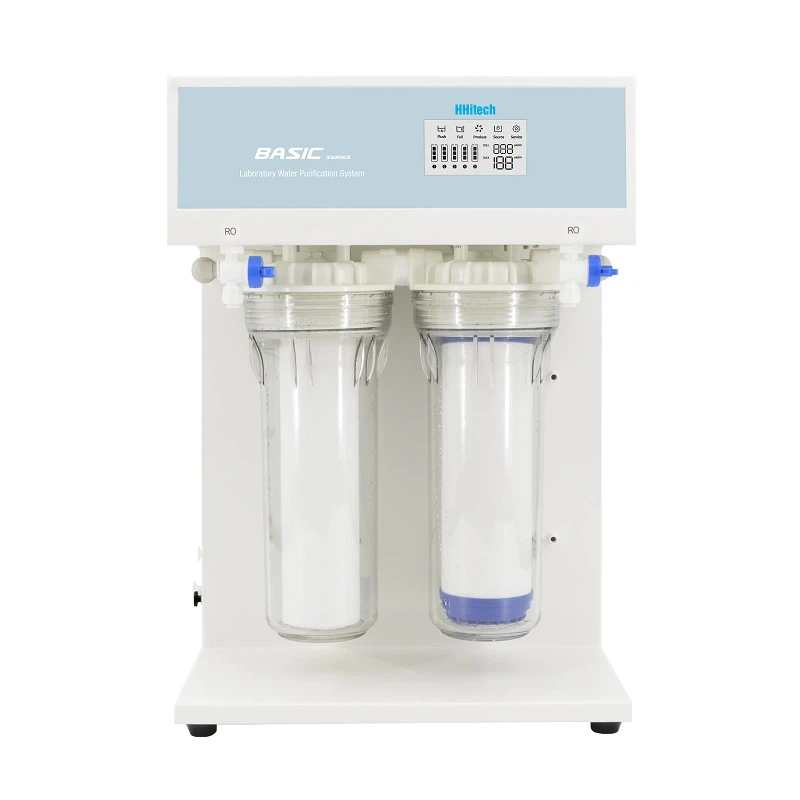
Storing a reverse osmosis (RO) system properly when it's not in use is crucial to maintain its performance and longevity. As a reputable supplier of high - quality reverse osmosis systems, including the Smart - RO Series Reverse Osmosis Water System, Medium - 1600RO Series Reverse Osmosis Water System, and Basic - RO Series Reverse Osmosis Water System, I understand the importance of proper storage. In this blog, I'll share some essential tips on how to store your RO system effectively.
1. Pre - Storage Preparation
Before storing your RO system, a series of preparatory steps should be taken. First and foremost, shut off the water supply to the system. This prevents any potential water leaks during the storage period, which could lead to damage to the system and the surrounding area. Locate the main water valve connected to the RO system and turn it clockwise until it is fully closed.
Next, drain all the water from the system. This includes the storage tank, the membrane housing, and all the connected pipes. For the storage tank, open the faucet connected to it and let the water run out completely. To drain the membrane housing and pipes, you may need to follow the manufacturer's instructions. Some systems have a drain valve that can be opened to release the water. Draining the water is essential because stagnant water can promote the growth of bacteria, algae, and mold, which can damage the system components and affect the quality of the water when the system is restarted.
In addition to draining the water, it is advisable to clean the system thoroughly. Use a mild detergent or a cleaning solution recommended by the manufacturer to clean the storage tank, the membrane housing, and the exterior of the system. This helps to remove any dirt, debris, or contaminants that may have accumulated over time. Rinse the components with clean water after cleaning to ensure that no cleaning residue remains.
2. Protecting the Membrane
The RO membrane is the heart of the reverse osmosis system, and it requires special attention during storage. The membrane is a delicate component that can be easily damaged by drying out, freezing, or exposure to chemicals. To protect the membrane, it is recommended to use a membrane storage solution. This solution helps to keep the membrane moist and prevents it from drying out, which can cause irreversible damage.
Follow the manufacturer's instructions to prepare and use the membrane storage solution. Typically, you will need to mix the solution with water in the correct ratio and then circulate it through the membrane housing. Make sure that the membrane is completely submerged in the solution. After circulating the solution, close the inlet and outlet valves of the membrane housing to prevent the solution from leaking out.
If you are storing the RO system in a cold environment, it is crucial to take measures to prevent the membrane from freezing. Freezing can cause the water inside the membrane to expand, which can rupture the membrane and render it useless. If there is a risk of freezing, consider storing the system in a heated area or using insulation to protect the membrane housing.
3. Component Maintenance
Apart from the membrane, other components of the RO system also need proper maintenance during storage. Check the filters in the system, including the pre - filters and the post - filters. If the filters are dirty or nearing the end of their lifespan, it is recommended to replace them before storage. This ensures that the system will be ready to operate effectively when it is restarted.
Inspect the O - rings and seals in the system. These components can dry out and crack over time, especially if they are exposed to air for an extended period. Apply a small amount of food - grade silicone grease to the O - rings and seals to keep them lubricated and prevent them from drying out. This helps to maintain a proper seal and prevents water leaks when the system is restarted.
Check all the connections in the system, including the pipes, fittings, and electrical connections. Make sure that they are tight and secure. Loose connections can cause water leaks or electrical problems when the system is in use. If any connections are loose, tighten them using the appropriate tools.
4. Storage Environment
The storage environment plays a significant role in the preservation of your RO system. Choose a clean, dry, and well - ventilated area to store the system. Avoid storing the system in areas prone to high humidity, such as basements or bathrooms, as high humidity can cause corrosion and rust on the metal components of the system.

The temperature of the storage area is also crucial. The ideal storage temperature for an RO system is between 40°F (4°C) and 90°F (32°C). Temperatures below 40°F (4°C) can cause the water inside the system to freeze, while temperatures above 90°F (32°C) can damage the plastic components and the membrane of the system.
Keep the system away from direct sunlight and sources of heat, such as heaters or radiators. Direct sunlight can cause the plastic components to fade and become brittle over time, while excessive heat can damage the membrane and other sensitive components.
5. Secure Storage
Once you have prepared the system for storage and chosen the appropriate storage environment, it is time to secure the system. If the RO system is a compact unit, you can place it in a storage box or a plastic container to protect it from dust and physical damage. Make sure that the box or container is large enough to accommodate the system without squeezing it.
If the system is too large to fit in a box, cover it with a protective tarp or a dust cover. The cover should be made of a durable material that can withstand the elements and protect the system from dust, dirt, and moisture. Secure the cover tightly to prevent it from being blown off by the wind.
6. Periodic Checks
Even though the RO system is in storage, it is important to perform periodic checks to ensure that it remains in good condition. Check the storage area regularly to make sure that it is still clean, dry, and at the appropriate temperature. Look for any signs of water leaks, corrosion, or damage to the system.
If you stored the system with a membrane storage solution, check the level of the solution periodically. If the solution level has decreased, it may indicate a leak in the membrane housing. In this case, you may need to add more solution or check for and repair the leak.
7. Restarting the System
When you are ready to use the RO system again, a few steps need to be taken to restart it properly. First, remove the membrane storage solution from the membrane housing. Follow the manufacturer's instructions to flush the solution out of the system using clean water. This may involve running water through the system for a certain period of time to ensure that all the solution is removed.
Next, reconnect the water supply to the system. Open the main water valve slowly and check for any water leaks. If you find any leaks, tighten the connections or replace the damaged components as necessary.
After reconnecting the water supply, turn on the power to the system (if it is an electrically - powered system). Let the system run for a few hours to allow the membrane to re - hydrate and reach its optimal performance. During this time, discard the first few batches of water produced by the system, as they may contain residual cleaning agents or contaminants.
Conclusion
Proper storage of your reverse osmosis system is essential to ensure its longevity and performance. By following the steps outlined above, you can protect your system from damage during the storage period and ensure that it is ready to provide clean and safe water when you need it. If you have any questions about storing your RO system or if you are interested in purchasing a new RO system, such as our Smart - RO Series Reverse Osmosis Water System, Medium - 1600RO Series Reverse Osmosis Water System, or Basic - RO Series Reverse Osmosis Water System, please feel free to contact us for more information and to start a procurement discussion.
References
- Manufacturer's manuals of reverse osmosis systems
- Industry - standard guidelines on RO system maintenance and storage


