

What are the regulatory requirements for a Type III water system?
As a supplier of Type III water systems, I understand the critical importance of adhering to regulatory requirements. Type III water, also known as RO (Reverse Osmosis) water, is commonly used in various applications, including general laboratory work, autoclaves, and some industrial processes. In this blog post, I will delve into the key regulatory requirements that govern Type III water systems.
1. Purity Standards
The primary goal of a Type III water system is to produce water of a certain purity level. Regulatory bodies often set specific standards for parameters such as conductivity, total dissolved solids (TDS), and microbial content.
- Conductivity: Conductivity is a measure of the ability of water to conduct an electric current, which is directly related to the concentration of ions in the water. For Type III water, the conductivity is typically required to be less than 10 μS/cm at 25°C. This low conductivity indicates a relatively low concentration of dissolved salts and other ionic impurities. Our Smart - RO Series Reverse Osmosis Water System is designed to meet and often exceed these conductivity standards, ensuring that the water produced is of high quality.
- Total Dissolved Solids (TDS): TDS refers to the total amount of inorganic and organic substances dissolved in water. Regulatory limits for TDS in Type III water are usually in the range of 5 - 10 ppm (parts per million). By using advanced reverse osmosis membranes, our Medium - RO Series Reverse Osmosis Water System can effectively reduce TDS levels to within the acceptable range, providing water that is suitable for a wide range of applications.
- Microbial Content: Microorganisms such as bacteria, fungi, and viruses can contaminate water and affect the performance of processes that use it. Regulatory requirements for microbial content in Type III water typically specify a maximum number of colony - forming units (CFU) per milliliter. For example, the limit may be set at less than 100 CFU/mL. Our water systems are equipped with pre - filters and post - treatment options such as ultraviolet (UV) disinfection to control microbial growth and ensure that the water meets the required microbial standards.
2. System Design and Construction
The design and construction of a Type III water system must also comply with certain regulatory requirements.
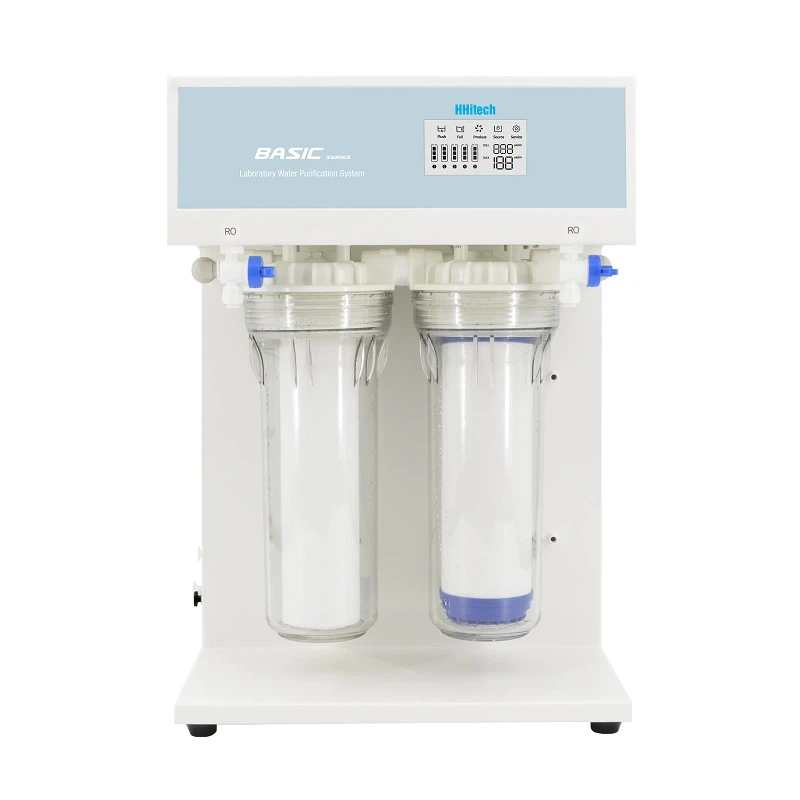
- Materials Compatibility: All materials used in the water system, including pipes, valves, and membranes, must be compatible with water and not introduce contaminants into the water. For example, materials should be non - leaching and resistant to corrosion. Our Basic - RO Series Reverse Osmosis Water System uses high - quality, food - grade materials that are carefully selected to ensure compatibility with water and long - term performance.
- System Layout: The layout of the water system should be designed to prevent cross - contamination and ensure proper flow and circulation of water. This includes proper installation of pre - filters, reverse osmosis membranes, and post - treatment units. A well - designed system layout also facilitates easy maintenance and monitoring of the system. Our engineering team follows strict design guidelines to ensure that our water systems are optimized for performance and compliance.
3. Documentation and Record - Keeping
Regulatory compliance often requires comprehensive documentation and record - keeping.
- Installation and Operation Manuals: Each Type III water system should come with detailed installation and operation manuals. These manuals provide instructions on how to install the system correctly, operate it safely, and perform routine maintenance tasks. Our manuals are written in a clear and concise manner, making it easy for users to follow the procedures and ensure the proper functioning of the system.
- Quality Control Records: Records of water quality testing, maintenance activities, and system performance should be maintained. These records serve as evidence of compliance with regulatory requirements and can be used for auditing purposes. Our company provides software tools and support to help our customers keep accurate and up - to - date records of their water systems.
4. Validation and Verification
Validation and verification are important steps in ensuring that a Type III water system meets regulatory requirements.

- System Validation: System validation involves a series of tests and procedures to demonstrate that the water system is capable of consistently producing water that meets the specified quality standards. This includes testing the system under normal operating conditions, as well as under stress conditions to ensure its reliability. Our water systems undergo rigorous validation processes before they are released to the market, giving our customers confidence in the performance of our products.
- Verification of Water Quality: Regular verification of water quality is necessary to ensure that the system continues to operate within the regulatory limits. This can be done through on - site testing using portable water quality analyzers or by sending water samples to an accredited laboratory for analysis. Our company offers training and support to help our customers perform water quality verification effectively.
5. Regulatory Bodies and Standards
Different regions and industries may have different regulatory bodies and standards for Type III water systems.
- International Standards: There are several international standards that provide guidelines for water quality and water system design, such as the ISO (International Organization for Standardization) standards. These standards are widely recognized and followed by water system manufacturers and users around the world. Our water systems are designed and manufactured in accordance with relevant international standards to ensure global compatibility and compliance.
- Industry - Specific Standards: In addition to international standards, some industries may have their own specific requirements for Type III water. For example, the pharmaceutical industry may have more stringent requirements for water quality due to the critical nature of their processes. Our company has experience in providing water systems that meet the specific requirements of different industries, and we can work closely with our customers to ensure that our products meet their unique needs.
In conclusion, understanding and complying with the regulatory requirements for a Type III water system is essential for ensuring the quality and safety of the water produced. As a supplier of Type III water systems, we are committed to providing our customers with high - quality products that meet or exceed regulatory standards. If you are in the market for a Type III water system and would like to discuss your specific requirements, please feel free to contact us for a consultation. We look forward to working with you to find the best water system solution for your needs.
References
- ISO standards related to water quality and water system design.
- Industry - specific guidelines and regulations for water use in different sectors.


