

When operating a Type III water system, safety is of utmost importance. As a leading supplier of Type III water systems, we understand the critical role these systems play in various industries, from laboratories to manufacturing plants. Ensuring the safe operation of these systems not only protects the equipment but also the operators and the environment. In this blog post, we will discuss the essential safety precautions that should be taken when operating a Type III water system.

1. Pre - operation Checks
Before starting the Type III water system, a series of pre - operation checks must be carried out. First, visually inspect the entire system for any signs of physical damage, such as cracks in pipes, loose fittings, or damaged components. A damaged system can lead to leaks, which may not only waste water but also pose a safety hazard, especially if the water is contaminated or under high pressure.
Check the electrical connections to ensure they are secure and free from any signs of fraying or damage. Faulty electrical connections can cause short - circuits, electrical shocks, or even fires. It is also crucial to verify that the power supply matches the system's electrical requirements.
Inspect the water source. The quality of the incoming water can significantly affect the performance and safety of the Type III water system. Ensure that the water source is free from debris, sediment, and excessive levels of contaminants. If necessary, install appropriate pre - treatment filters to protect the system from damage.
2. Personal Protective Equipment (PPE)
Operators should always wear the appropriate personal protective equipment when working with a Type III water system. Safety glasses are essential to protect the eyes from splashes of water, chemicals (if any are used in the system), or flying debris. Gloves should be worn to protect the hands from contact with water that may be contaminated or at an extreme temperature.
Depending on the specific operation and the environment, other PPE such as lab coats, aprons, and safety shoes may also be required. For example, in a laboratory setting, a lab coat can protect the operator's clothing from spills, while safety shoes can prevent injuries from falling objects.
3. Chemical Handling (if applicable)
Some Type III water systems may use chemicals for water treatment, such as disinfectants or pH adjusters. When handling these chemicals, strict safety protocols must be followed. Always read and understand the safety data sheets (SDS) provided by the chemical manufacturers. These sheets contain information on the chemical's properties, hazards, and proper handling procedures.
Use appropriate containers for storing and transferring chemicals. Containers should be clearly labeled with the name of the chemical, its concentration, and any relevant hazard warnings. When mixing chemicals, follow the recommended ratios and procedures carefully to avoid dangerous chemical reactions.
After using chemicals, dispose of them properly according to local regulations. Improper chemical disposal can contaminate the environment and pose a risk to human health.
4. Pressure and Flow Management
Type III water systems often operate under pressure. It is essential to monitor and control the pressure and flow rates within the system. Install pressure gauges and flow meters to continuously monitor these parameters. If the pressure exceeds the system's design limits, it can cause pipes to burst or components to fail.
Regularly check the pressure relief valves to ensure they are functioning correctly. These valves are designed to release excess pressure and prevent over - pressurization of the system. If a pressure relief valve fails, it should be replaced immediately.
When adjusting the flow rate, do it gradually to avoid sudden changes in pressure that can damage the system or cause water hammer, which is a loud noise and shockwave in the pipes caused by the sudden stop or change in the flow of water.
5. Maintenance and Cleaning
Regular maintenance and cleaning are vital for the safe and efficient operation of a Type III water system. Follow the manufacturer's recommended maintenance schedule. This may include tasks such as replacing filters, checking seals and gaskets, and lubricating moving parts.
When cleaning the system, use appropriate cleaning agents and methods. Avoid using abrasive materials that can scratch or damage the system's components. After cleaning, thoroughly rinse the system to remove any residue of the cleaning agents.
Keep a record of all maintenance and cleaning activities. This record can help identify any recurring problems and ensure that the system is being properly maintained over time.
6. Emergency Procedures
Develop and implement emergency procedures for the Type III water system. This should include procedures for dealing with leaks, electrical failures, chemical spills, and other potential emergencies. All operators should be trained on these procedures and know how to respond quickly and effectively in case of an emergency.
Install emergency shut - off valves and switches in easily accessible locations. In the event of a leak or other emergency, operators should be able to quickly shut off the water supply and power to the system.
Have a first - aid kit readily available in the area where the Type III water system is located. In case of an injury, immediate first - aid can be administered while waiting for professional medical help.
7. Training and Education
All operators of the Type III water system should receive comprehensive training on its operation, safety precautions, and maintenance. The training should cover the system's components, how to start and stop the system safely, how to monitor and adjust the system's parameters, and how to handle emergencies.
Regularly update the training to reflect any changes in the system, safety regulations, or best practices. Encourage operators to ask questions and provide feedback during the training process to ensure that they fully understand the information.
Our Type III Water System Offerings
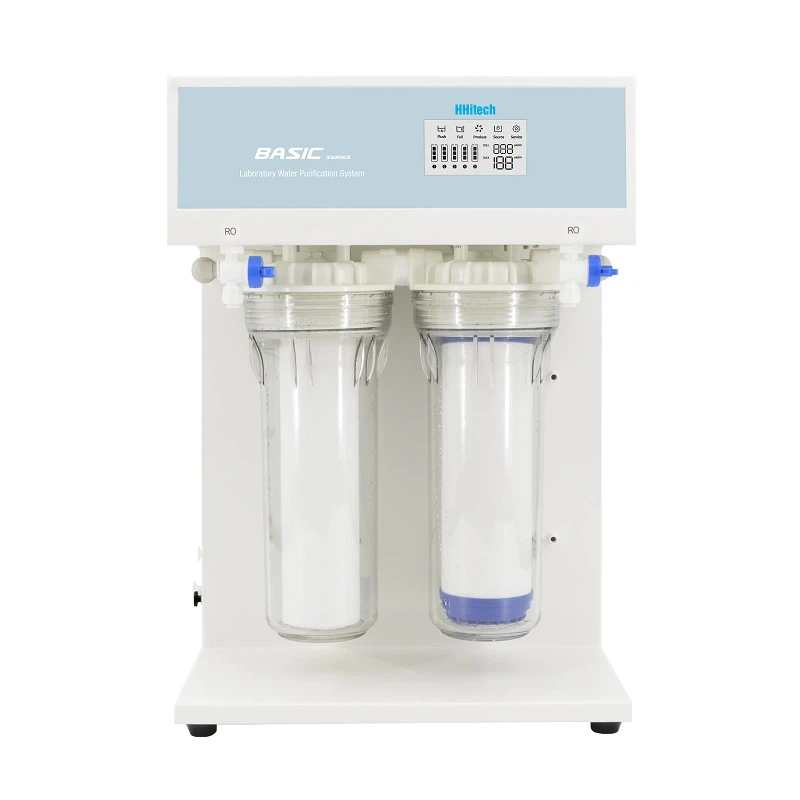
At our company, we offer a range of high - quality Type III water systems, including the Basic - RO Series Reverse Osmosis Water System, Medium - RRO Series Reverse Osmosis Water System, and Medium - RO Series Reverse Osmosis Water System. These systems are designed with safety and efficiency in mind, and we provide detailed safety instructions and training to our customers.
If you are in the market for a Type III water system or need more information about safety precautions, we encourage you to contact us for a consultation. Our team of experts is ready to assist you in choosing the right system for your needs and ensuring that you can operate it safely and effectively.
References
- Manufacturer's manuals for Type III water systems
- Occupational Safety and Health Administration (OSHA) guidelines for water treatment systems
- International standards for water purification equipment safety


