

As a supplier of Type III water systems, I've witnessed firsthand the critical role that water source quality plays in the efficient and effective operation of these systems. In this blog post, I'll delve into the water source requirements for a Type III water system, sharing insights based on my experience in the industry.
Understanding Type III Water Systems
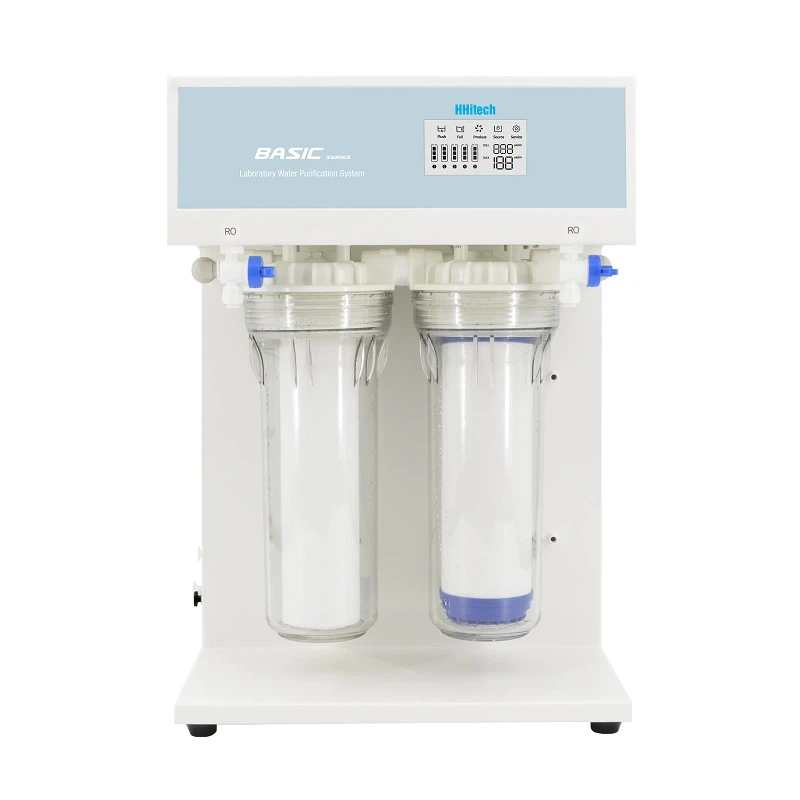
Before we explore the water source requirements, let's briefly understand what a Type III water system is. Type III water, also known as RO (Reverse Osmosis) water, is commonly used in general laboratory applications, such as glassware rinsing, autoclave feed, and as a feed water for Type I and Type II water purification systems. Our company offers a range of Type III water systems, including the Medium - RRO Series Reverse Osmosis Water System, Basic - RO Series Reverse Osmosis Water System, and Medium - 1600RO Series Reverse Osmosis Water System. These systems are designed to remove a significant portion of impurities from the incoming water, providing high - quality Type III water for various applications.
General Water Source Characteristics
The ideal water source for a Type III water system should have certain characteristics to ensure optimal performance.
Total Dissolved Solids (TDS)
TDS refers to the amount of inorganic and organic substances dissolved in water. A lower TDS level in the source water is generally better for a Type III water system. Most Type III water systems can handle source water with a TDS of up to 2000 ppm (parts per million), but for more efficient operation and longer membrane life, a TDS of less than 500 ppm is preferred. High TDS levels can increase the pressure required for reverse osmosis, leading to higher energy consumption and more frequent membrane replacement.
Hardness
Water hardness is mainly caused by the presence of calcium and magnesium ions. Hard water can cause scaling on the reverse osmosis membranes, reducing their efficiency and lifespan. The source water should have a hardness of less than 100 ppm as calcium carbonate (CaCO₃). If the source water is hard, a water softener can be installed upstream of the Type III water system to remove the calcium and magnesium ions.
pH Level
The pH level of the source water can also affect the performance of a Type III water system. The ideal pH range for the source water is between 5 and 8.5. Extreme pH values can damage the reverse osmosis membranes and reduce their rejection rate. If the pH of the source water is outside this range, pH adjustment chemicals can be added to bring it within the acceptable range.
Temperature
The temperature of the source water plays a crucial role in the efficiency of a Type III water system. The optimal temperature range for most reverse osmosis membranes is between 5°C and 35°C. At lower temperatures, the viscosity of water increases, which can reduce the water flow rate through the membrane. At higher temperatures, the membrane may be damaged, and the rejection rate of contaminants may decrease.
Specific Contaminant Requirements
In addition to the general characteristics mentioned above, the source water should meet certain requirements regarding specific contaminants.
Particulates
Particulates in the source water can cause physical damage to the reverse osmosis membranes. The source water should be free of large particles (greater than 5 microns). A pre - filter is usually installed upstream of the Type III water system to remove these particulates. A sediment pre - filter with a pore size of 5 microns or less is commonly used to protect the reverse osmosis membranes.

Chlorine and Chloramines
Chlorine and chloramines are commonly used as disinfectants in municipal water supplies. However, they can damage the reverse osmosis membranes. The source water should have a chlorine or chloramine concentration of less than 0.1 ppm. A carbon pre - filter is typically used to remove chlorine and chloramines from the source water before it enters the reverse osmosis unit.
Microorganisms
Microorganisms such as bacteria, viruses, and fungi can grow on the reverse osmosis membranes, reducing their performance and potentially contaminating the purified water. The source water should have a low microbial count. A UV sterilizer or a micro - filter can be installed upstream of the Type III water system to reduce the microbial load in the source water.
Impact of Non - Compliant Water Sources
Using a non - compliant water source can have several negative impacts on a Type III water system.
Reduced System Efficiency
If the source water has high TDS, hardness, or other contaminants, the reverse osmosis membranes will have to work harder to remove these impurities. This can lead to a reduced water production rate, increased energy consumption, and higher operating costs.
Shortened Membrane Lifespan
Contaminants such as particulates, chlorine, and hardness can cause physical and chemical damage to the reverse osmosis membranes. This can significantly shorten their lifespan, requiring more frequent membrane replacement and increasing the overall cost of the system.
Poor Water Quality
If the source water does not meet the requirements, the quality of the Type III water produced by the system may be compromised. This can affect the performance of downstream applications that rely on high - quality Type III water.
Ensuring Water Source Compliance
To ensure that the source water meets the requirements for a Type III water system, it is essential to conduct a thorough water analysis before installing the system. This analysis should include measurements of TDS, hardness, pH, temperature, and the presence of specific contaminants such as particulates, chlorine, and microorganisms.
Based on the results of the water analysis, appropriate pre - treatment steps can be taken to bring the source water within the acceptable range. This may include installing water softeners, carbon pre - filters, sediment pre - filters, UV sterilizers, or other pre - treatment equipment.
Conclusion
The water source requirements for a Type III water system are crucial for its efficient and effective operation. By ensuring that the source water meets the appropriate standards in terms of TDS, hardness, pH, temperature, and specific contaminants, users can maximize the performance and lifespan of their Type III water systems and obtain high - quality Type III water for their applications.
If you are in the market for a Type III water system or need more information about water source requirements, please feel free to contact us. Our team of experts is ready to assist you in selecting the right system for your needs and ensuring that your water source is suitable for optimal system performance.
References
- AWWA (American Water Works Association). Water Quality and Treatment: A Handbook of Community Water Supplies.
- ASTM (American Society for Testing and Materials). Standards related to water quality and purification.
- Manufacturer's manuals for our Medium - RRO Series, Basic - RO Series, and Medium - 1600RO Series Reverse Osmosis Water Systems.


