

In the complex landscape of laboratory operations, the significance of a reliable Reverse Osmosis (RO) plant cannot be overstated. As a seasoned supplier of laboratory RO plants, I've witnessed firsthand the transformative impact these systems have on scientific research and experimentation. However, understanding the cost of a laboratory RO plant is a multifaceted endeavor that involves considering various factors beyond the initial purchase price. In this blog, we'll delve into the components that contribute to the overall cost of a laboratory RO plant and explore how to make an informed investment decision.

Initial Purchase Cost
The initial purchase cost of a laboratory RO plant is often the first consideration for many buyers. This cost can vary significantly depending on several factors, including the system's capacity, features, and brand. At our company, we offer a range of RO systems to meet the diverse needs of laboratories, from small-scale research facilities to large industrial laboratories.
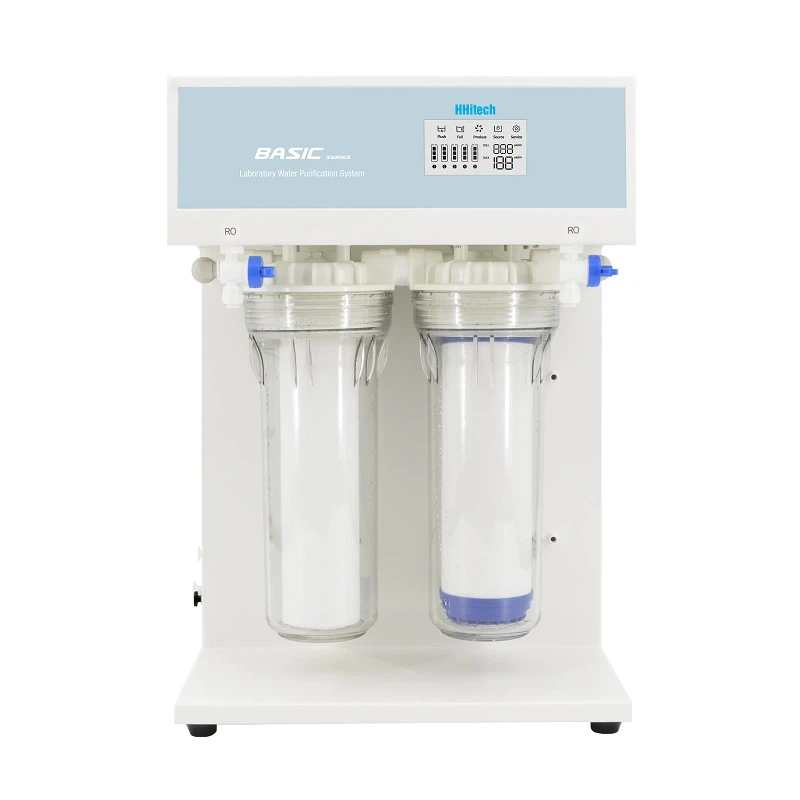
- Basic-RO Series Reverse Osmosis Water System: Our Basic-RO Series Reverse Osmosis Water System is designed for laboratories with basic water purification needs. It offers reliable performance at an affordable price, making it an ideal choice for budget-conscious customers. The initial purchase cost of this system typically ranges from $[X] to $[X], depending on the specific configuration and capacity.
- Smart-RO Series Reverse Osmosis Water System: The Smart-RO Series Reverse Osmosis Water System is a mid-range option that combines advanced features with user-friendly operation. It offers higher purity levels and greater control over the water purification process, making it suitable for more demanding applications. The initial purchase cost of this system is typically in the range of $[X] to $[X], depending on the system's capacity and additional features.
- Medium-RRO Series Reverse Osmosis Water System: Our Medium-RRO Series Reverse Osmosis Water System is a high-performance system designed for laboratories with large water purification requirements. It offers superior purity levels, high flow rates, and advanced monitoring and control capabilities. The initial purchase cost of this system is typically higher, ranging from $[X] to $[X], depending on the system's capacity and customization options.
Installation and Commissioning Costs
In addition to the initial purchase cost, it's important to consider the installation and commissioning costs associated with a laboratory RO plant. These costs can vary depending on the complexity of the installation, the location of the laboratory, and the specific requirements of the system.
- Installation: The installation process typically involves connecting the RO system to the water supply, electrical supply, and drainage system. It may also require the installation of additional equipment, such as pre-filters, post-filters, and storage tanks. The installation cost can range from $[X] to $[X], depending on the complexity of the installation and the location of the laboratory.
- Commissioning: Once the RO system is installed, it needs to be commissioned to ensure that it is operating properly and producing water of the desired quality. The commissioning process typically involves testing the system's performance, calibrating the sensors and controls, and training the laboratory staff on how to operate and maintain the system. The commissioning cost can range from $[X] to $[X], depending on the complexity of the system and the level of training required.
Operating Costs
The operating costs of a laboratory RO plant are another important consideration when evaluating the overall cost of ownership. These costs include the cost of electricity, water, and replacement parts, as well as the cost of maintenance and servicing.
- Electricity: The RO system requires electricity to operate the pumps, motors, and other components. The electricity cost can vary depending on the system's capacity, the local electricity rate, and the operating hours of the system. On average, the electricity cost for a laboratory RO plant can range from $[X] to $[X] per month.
- Water: The RO system uses water to produce purified water. The water cost can vary depending on the local water rate and the system's water recovery rate. The water recovery rate is the percentage of the feed water that is converted into purified water. A higher water recovery rate means less water is wasted, which can result in lower water costs. On average, the water cost for a laboratory RO plant can range from $[X] to $[X] per month.
- Replacement Parts: Over time, the RO system's components will need to be replaced due to wear and tear. The replacement parts cost can vary depending on the system's make and model, the frequency of replacement, and the cost of the parts. On average, the replacement parts cost for a laboratory RO plant can range from $[X] to $[X] per year.
- Maintenance and Servicing: Regular maintenance and servicing are essential to ensure the proper operation and longevity of the RO system. The maintenance and servicing cost can vary depending on the system's complexity, the frequency of maintenance, and the cost of the labor. On average, the maintenance and servicing cost for a laboratory RO plant can range from $[X] to $[X] per year.
Lifecycle Cost
When evaluating the cost of a laboratory RO plant, it's important to consider the lifecycle cost of the system. The lifecycle cost includes the initial purchase cost, installation and commissioning costs, operating costs, and the cost of disposal at the end of the system's useful life. By considering the lifecycle cost, you can make a more informed decision about which RO system is the best investment for your laboratory.
- Total Cost of Ownership: The total cost of ownership (TCO) is a comprehensive measure of the lifecycle cost of a laboratory RO plant. It takes into account all the costs associated with the system over its useful life, including the initial purchase cost, installation and commissioning costs, operating costs, and the cost of disposal. By calculating the TCO, you can compare the cost of different RO systems and determine which one offers the best value for your money.
- Return on Investment (ROI): The return on investment (ROI) is another important metric to consider when evaluating the cost of a laboratory RO plant. The ROI measures the financial benefit of investing in a RO system over its useful life. It takes into account the savings in water and energy costs, as well as the potential increase in productivity and efficiency. By calculating the ROI, you can determine whether the investment in a RO system is justified and how long it will take to recoup the initial investment.
Making an Informed Investment Decision
When choosing a laboratory RO plant, it's important to consider all the factors that contribute to the overall cost of ownership. By evaluating the initial purchase cost, installation and commissioning costs, operating costs, and the lifecycle cost, you can make an informed decision about which RO system is the best investment for your laboratory.
- Assess Your Needs: Before making a purchase decision, it's important to assess your laboratory's water purification needs. Consider factors such as the volume of water required, the quality of the feed water, the specific applications for which the purified water will be used, and your budget.
- Research Your Options: Once you have a clear understanding of your needs, research the different RO systems available on the market. Compare the features, performance, and cost of different systems to find the one that best meets your requirements.
- Consider the Long-Term Costs: In addition to the initial purchase cost, consider the long-term costs associated with the RO system, such as the operating costs, maintenance and servicing costs, and the cost of disposal at the end of the system's useful life. By considering the long-term costs, you can make a more informed decision about which RO system is the best investment for your laboratory.
- Choose a Reputable Supplier: When purchasing a laboratory RO plant, it's important to choose a reputable supplier. Look for a supplier with a proven track record of providing high-quality products and excellent customer service. A reputable supplier will also offer technical support, training, and maintenance services to ensure that your RO system operates properly and produces water of the desired quality.
Conclusion
The cost of a laboratory RO plant is a complex issue that involves considering various factors beyond the initial purchase price. By understanding the components that contribute to the overall cost of ownership, you can make an informed decision about which RO system is the best investment for your laboratory. At our company, we offer a range of RO systems to meet the diverse needs of laboratories, from small-scale research facilities to large industrial laboratories. Our experienced team of professionals can help you assess your needs, choose the right RO system, and provide installation, commissioning, and maintenance services to ensure that your RO system operates properly and produces water of the desired quality. If you're interested in learning more about our laboratory RO plants or would like to discuss your specific requirements, please contact us today. We look forward to working with you to meet your water purification needs.
References
- [List of relevant industry reports, technical papers, or other sources of information used in the preparation of this blog post]


