

Hey there! As a supplier of reverse osmosis systems, I often get asked about the differences between domestic and commercial reverse osmosis systems. So, I thought I'd write this blog to clear up any confusion and give you a better understanding of what sets these two types of systems apart.
Capacity and Flow Rate
One of the most obvious differences between domestic and commercial reverse osmosis systems is their capacity and flow rate. Domestic systems are designed for use in homes, where the demand for purified water is relatively low. These systems typically have a smaller membrane and a lower flow rate, usually ranging from 10 to 100 gallons per day (GPD). For example, a typical domestic system might have a capacity of 50 GPD, which is sufficient for a family of four to use for drinking, cooking, and small household needs.
On the other hand, commercial reverse osmosis systems are built to handle much higher volumes of water. They are used in businesses such as restaurants, hotels, hospitals, and factories, where there is a constant need for large amounts of purified water. Commercial systems can have flow rates ranging from 500 GPD to several thousand GPD, depending on the specific requirements of the business. For instance, a medium - sized restaurant might need a system with a capacity of 1000 GPD to meet the demands of its kitchen and dining areas.
System Size and Space Requirements
Another significant difference is the size of the systems. Domestic reverse osmosis systems are generally compact and designed to fit under a kitchen sink or in a small utility area. They are relatively easy to install and don't take up much space, making them ideal for residential use.
Commercial systems, however, are much larger and more complex. They often require a dedicated room or area to accommodate the various components, such as the pre - filters, membrane housing, pumps, and storage tanks. The larger size is necessary to house the bigger membranes and more powerful pumps needed to achieve the higher flow rates. For example, a large - scale commercial system used in a factory might take up an entire room and require professional installation.
Water Quality and Purity Requirements
The water quality and purity requirements also vary between domestic and commercial applications. In a domestic setting, the main goal is usually to remove common contaminants such as chlorine, sediment, heavy metals, and some bacteria to make the water safe and taste better for drinking and cooking. A typical domestic reverse osmosis system can achieve a high level of water purity, removing up to 95 - 99% of dissolved solids.
In commercial applications, the water quality requirements can be much more stringent. For example, in the pharmaceutical industry, the water used in the manufacturing process must meet strict regulatory standards and be virtually free of all contaminants. Commercial reverse osmosis systems are often equipped with additional pre - treatment and post - treatment stages, such as activated carbon filters, UV sterilizers, and ion exchange resins, to ensure the highest level of water purity.
Maintenance and Service
Maintenance and service are important aspects to consider when comparing domestic and commercial reverse osmosis systems. Domestic systems are generally easier to maintain. The pre - filters and membranes can usually be replaced by the homeowner with basic DIY skills. Filter replacement intervals are typically every 6 - 12 months, depending on the water quality in the area.
Commercial systems, on the other hand, require more frequent and professional maintenance. The larger size and more complex components mean that regular inspections, calibration, and servicing are necessary to keep the system running efficiently. Service technicians may need to check the pressure, flow rates, and water quality regularly, and replace filters and membranes more frequently, sometimes every 3 - 6 months.
Cost
Cost is another factor that differentiates domestic and commercial reverse osmosis systems. Domestic systems are generally more affordable, with prices ranging from a few hundred dollars to a couple of thousand dollars, depending on the brand, features, and capacity. The lower cost makes them accessible to most homeowners.
Commercial systems, however, can be quite expensive. The initial purchase price can range from several thousand dollars to tens of thousands of dollars, depending on the size and complexity of the system. In addition to the purchase price, there are also ongoing costs for maintenance, energy consumption, and replacement parts.
Our Product Offerings
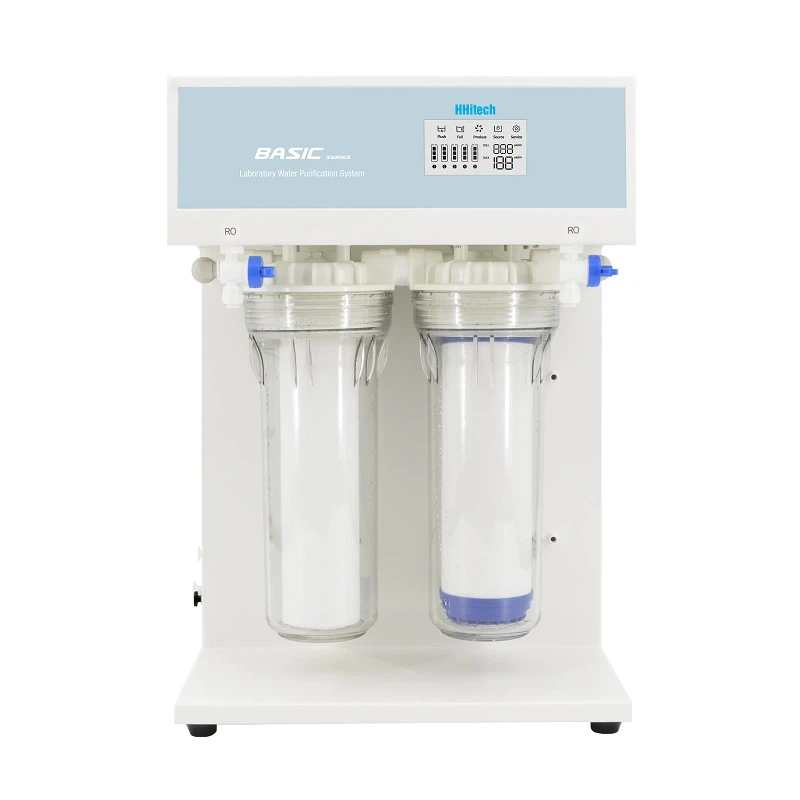
At our company, we offer a range of reverse osmosis systems to meet both domestic and commercial needs. For domestic use, we have the Basic - RO Series Reverse Osmosis Water System. This system is compact, easy to install, and provides high - quality purified water for your home. It's a great option for families looking to improve the taste and safety of their drinking water.
For commercial applications, we have the Medium - RRO Series Reverse Osmosis Water System and the Medium - 1600RO Series Reverse Osmosis Water System. These systems are designed to handle high volumes of water and meet the strict water quality requirements of various businesses. They are built with durable components and are backed by our professional service and support.
Conclusion
In conclusion, domestic and commercial reverse osmosis systems have several key differences in terms of capacity, size, water quality requirements, maintenance, and cost. Understanding these differences is crucial when choosing the right system for your needs. Whether you're a homeowner looking for a simple and affordable solution or a business owner in need of a high - performance system, we're here to help.
If you're interested in learning more about our reverse osmosis systems or have any questions about which system is right for you, feel free to reach out to us. We'd be happy to discuss your requirements and provide you with a customized solution. Let's work together to ensure you get the clean, pure water you need!

References
- "Reverse Osmosis Systems: A Comprehensive Guide", Water Treatment Journal
- "Domestic vs. Commercial Water Purification", Industrial Water Solutions Magazine
- Manufacturer's manuals for reverse osmosis systems


