

Hey there! As a supplier of reverse osmosis systems, I often get asked about the energy consumption of these systems. It's a crucial topic, especially for those looking to balance water purification needs with energy efficiency. So, let's dive right in and explore what the energy consumption of a reverse osmosis system really looks like.
First off, what's a reverse osmosis system? Well, it's a water purification method that uses a semi - permeable membrane to remove ions, molecules, and larger particles from water. It's super effective in getting rid of contaminants, making it a top choice for both residential and commercial use.
Now, let's talk energy. The energy consumption of a reverse osmosis system mainly depends on a few key factors. One of the biggest factors is the pressure required to force water through the semi - permeable membrane. You see, reverse osmosis works by applying pressure to the water on one side of the membrane, pushing it through while leaving the contaminants behind. The higher the pressure needed, the more energy the system will consume.
The type of water source also plays a huge role. If you're using water with a high concentration of dissolved solids, like well water from an area with a lot of minerals, the system will have to work harder. That's because more pressure is required to push the water through the membrane and separate out all those extra solids. On the other hand, if you're using municipal water that's already relatively clean, the energy consumption might be lower.
Another factor is the size and capacity of the system. Larger systems that are designed to produce a high volume of purified water per day will generally use more energy than smaller ones. For example, a small - scale system for a single - family home might not use as much energy as a large commercial system that supplies purified water to a factory or a large office building.
Let's take a closer look at some of our products to see how energy consumption varies. We have the Medium - RO Series Reverse Osmosis Water System. This system is great for medium - sized applications, like small businesses or mid - sized households. It's designed to be energy - efficient, but still has the power to produce a decent amount of purified water. The energy consumption of this system is optimized by using advanced membrane technology that requires less pressure to operate. This means it can save you some money on your energy bills in the long run.
Then there's the Smart - RO Series Reverse Osmosis Water System. This one is really cool because it comes with smart features. It can adjust its operation based on the quality of the incoming water. If the water is cleaner, it'll use less energy. But if it detects a higher level of contaminants, it'll ramp up the pressure and purification process as needed. This kind of intelligent operation helps to keep energy consumption in check while still ensuring high - quality water output.
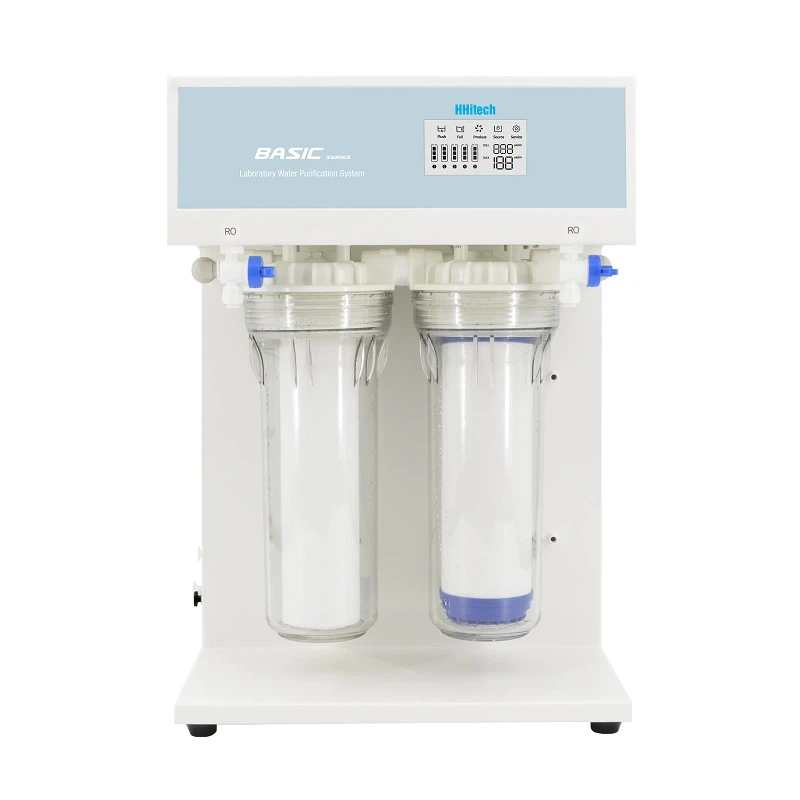
Our Basic - RO Series Reverse Osmosis Water System is a more budget - friendly option. It's perfect for smaller spaces or those on a tight budget. While it might not have all the fancy features of the other series, it still does a great job of purifying water. And it's designed to be energy - efficient, using just enough power to get the job done without wasting energy.
So, how can you calculate the energy consumption of a reverse osmosis system? Well, it's not always straightforward. Most manufacturers will provide an estimated energy consumption rating for their systems. This is usually given in kilowatt - hours (kWh) per day or per year. To get a more accurate idea, you can also look at the power rating of the pump in the system. The pump is the main component that uses energy, so knowing its power rating can give you a good starting point.
Let's say a system has a pump with a power rating of 500 watts. If the pump runs for 2 hours a day, you can calculate the energy consumption like this: 500 watts x 2 hours = 1000 watt - hours or 1 kWh per day. Of course, this is a simplified example, and in real - life situations, the pump might not run continuously at full power.
There are also ways to reduce the energy consumption of a reverse osmosis system. Regular maintenance is key. Keeping the membrane clean and in good condition can reduce the pressure required for the system to operate, which in turn reduces energy consumption. You can also make sure the system is properly sized for your needs. If you have a small household, there's no need to get a large - scale system that will use more energy than necessary.
In conclusion, the energy consumption of a reverse osmosis system can vary widely depending on factors like water source, system size, and technology. But with the right choice of system and proper maintenance, you can find a balance between getting high - quality purified water and keeping your energy bills under control.

If you're interested in learning more about our reverse osmosis systems or have questions about energy consumption, feel free to reach out. We're here to help you find the perfect system for your needs and answer any questions you might have. Whether you're a homeowner looking for a small - scale system or a business owner in need of a large - capacity solution, we've got you covered. Let's start a conversation and see how we can meet your water purification requirements.
References:
- General knowledge of reverse osmosis technology from industry experience
- Product specifications of our Medium - RO, Smart - RO, and Basic - RO series reverse osmosis systems


