

Hey there! If you're using a reverse osmosis (RO) system, you've probably wondered how often you should replace the filters. Well, you're in the right place. As a supplier of reverse osmosis systems, I've got some insights to share with you.

First off, let's talk about why filter replacement is so important. The filters in an RO system are like the guardians of your water quality. They trap all sorts of contaminants, from sediment and chlorine to heavy metals and bacteria. Over time, these filters get clogged up with all the gunk they've collected, and when that happens, they become less effective. That means your water might not be as clean as it should be, and your RO system might not work as efficiently either.
So, how often should you replace these all - important filters? Well, it depends on a few factors.
Water Quality
The quality of the water you're using is a major factor. If you're using water from a well, it might contain more sediment, minerals, and other impurities compared to municipal water. For example, well water can have high levels of iron, manganese, or sulfur. In this case, you'll probably need to replace your pre - filters more often. Pre - filters are the first line of defense in an RO system, and they're designed to remove larger particles like sediment. If your water is really dirty, these filters can get clogged in as little as 3 - 6 months.

On the other hand, if you're using municipal water, it usually goes through a treatment process before it reaches your home. However, it still might contain chlorine, chloramines, and other chemicals. In this situation, you might be able to get away with replacing the pre - filters every 6 - 12 months.
System Usage
How much water you use from your RO system also plays a role. If you've got a large family and you're constantly running water through the system for drinking, cooking, and other household uses, the filters will wear out faster. For a family of four or more who use the RO system for most of their water needs, it's a good idea to check the filters every 6 months and replace them as needed.
If it's just you or a couple living in the house and you're only using the RO system for drinking water, the filters might last a bit longer. You could probably get by with checking them every 9 - 12 months.
Type of Filters
There are different types of filters in an RO system, and each has its own lifespan.
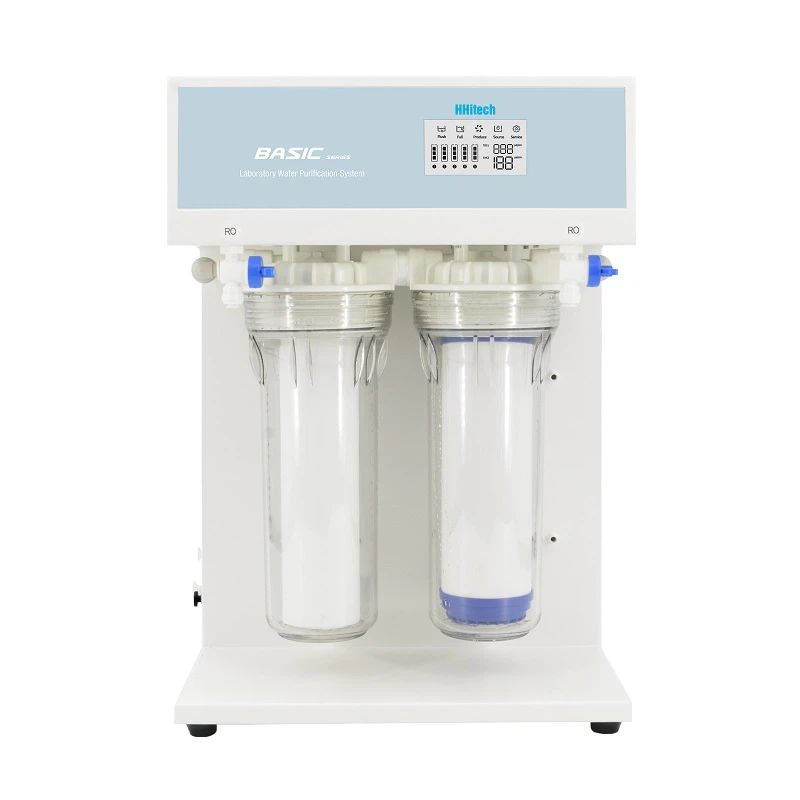
Sediment Filters: These are designed to remove large particles like sand, dirt, and rust. They're usually the first filter in the system. Sediment filters can get clogged pretty quickly, especially if your water has a lot of sediment. Depending on water quality and usage, you might need to replace them every 3 - 6 months.
Carbon Filters: Carbon filters are great at removing chlorine, chloramines, and organic compounds. They also help improve the taste and odor of your water. These filters can last anywhere from 6 - 12 months, but if your water has a high chlorine content, you might need to replace them more often.
Reverse Osmosis Membrane: This is the heart of the RO system. It's responsible for removing dissolved solids, heavy metals, and other contaminants at a molecular level. A good quality RO membrane can last 2 - 3 years, but this can vary depending on water quality and system maintenance.
Let's take a look at our different reverse osmosis systems and how the filter replacement might vary for each:
The [Medium - RRO Series Reverse Osmosis Water System](/laboratory - reverse - osmosis - water - purification/medium - rro - series - reverse - osmosis - water.html) is a great option for medium - sized households or small offices. It's designed to handle a moderate amount of water usage. For this system, if you're using municipal water, you can expect to replace the sediment filter every 6 months, the carbon filter every 9 months, and the RO membrane every 2 years.
The [Basic - RO Series Reverse Osmosis Water System](/laboratory - reverse - osmosis - water - purification/basic - ro - series - reverse - osmosis - water - system.html) is a more budget - friendly option. It's suitable for smaller households or those with lower water usage. With this system, if you have relatively clean water, you might be able to stretch the filter replacement intervals a bit. The sediment filter could last 6 - 9 months, the carbon filter 9 - 12 months, and the RO membrane 2 - 3 years.
The [Smart - RO Series Reverse Osmosis Water System](/laboratory - reverse - osmosis - water - purification/smart - ro - series - reverse - osmosis - water - system.html) is our high - end model. It comes with advanced features and is designed to provide the best water quality. This system also has sensors that can alert you when it's time to replace the filters. Generally, for this system, regardless of water quality, it's a good idea to follow the manufacturer's recommended filter replacement schedule, which is usually in line with the guidelines I've mentioned above.
Now, you might be thinking, "How do I know when it's really time to replace the filters?" Well, there are a few signs to look out for.
Decreased Water Flow
If you notice that the water flow from your RO system has slowed down, it could be a sign that the filters are clogged. A clogged sediment filter can restrict the flow of water into the system, and a clogged RO membrane can slow down the production of purified water.
Poor Water Quality
If your water starts to taste or smell bad, or if you notice an increase in contaminants in your water test results, it's probably time to replace the filters. The filters are there to keep your water clean, and if they're not working properly, your water quality will suffer.
High Pressure Drop
Most RO systems have pressure gauges that can tell you the pressure difference across the filters. If you see a significant increase in the pressure drop, it means the filters are getting clogged and need to be replaced.
In conclusion, there's no one - size - fits - all answer to how often you should replace the filters in a reverse osmosis system. It depends on water quality, system usage, and the type of filters. But by keeping an eye on the signs I've mentioned and following the general guidelines, you can ensure that your RO system is always working at its best and providing you with clean, safe water.
If you're in the market for a new reverse osmosis system or need to replace your existing filters, we're here to help. We offer a wide range of high - quality RO systems and filters to meet your needs. Don't hesitate to reach out if you have any questions or want to discuss your specific requirements. We're happy to have a chat and find the best solution for you.
References
- "Reverse Osmosis Water Treatment: A Comprehensive Guide" - Water Quality Association
- "Maintenance and Troubleshooting of Reverse Osmosis Systems" - American Water Works Association


